Build Fast. Build Better. Build MOMO: The ADU Revolution Denver Has Been Waiting For
Denver's housing landscape is changing rapidly. With property values climbing and housing shortages creating unprecedented demand, homeowners and builders across the Front Range are discovering that speed matters when it comes to adding accessory dwelling units (ADUs) and detached accessory dwelling units (DADUs). The longer a project takes, the more it costs and the longer you wait to capture rental income or add value to your property or have that place for friends and family.
Enter MOMO by LuxMod: the modular ADU solution that's transforming how Denver builds.

Denver, life is just better when your mile high.
Why Speed Is Everything in Denver's ADU Market
Time is money and nowhere is this truer than in construction. Traditional ADU builds in the Denver area can drag on for 12-18 months or longer, weathering Colorado's harsh winters, facing supply chain delays, and racking up carrying costs that eat into your investment returns.
Consider the real costs of a slow build:
Lost rental income: Every month your ADU isn't complete is rental revenue you'll never recover.
Extended financing costs: Construction loans and interest charges compound over time.
Weather delays: Colorado's unpredictable climate can halt traditional construction for weeks.
Labor shortages: Skilled tradespeople are in high demand, causing scheduling conflicts and delays.
Inflation exposure: Material costs continue rising while your project sits incomplete.
For builders, speed-to-market means taking on more projects annually and keeping crews productive year-round. For homeowners, it means faster access to rental income, multigenerational living space, or property value increases.
The Traditional ADU Timeline Problem
A typical site-built ADU in Denver follows this painful trajectory:
Design and permitting: 2-4 months
Site preparation: 2-4 weeks
Foundation work: 4-6 weeks (weather dependent) (PS MOMO has an foundation option that is faster than traditional concrete pours)
Framing and exterior: 8-12 weeks (weather dependent)
MEP rough-ins: 6-8 weeks
Interior finish work: 8-12 weeks
Final inspections: 2-4 weeks
That's a 12-18 month journey filled with uncertainty, weather delays, and mounting costs. And in Denver's climate, winter can bring construction to a complete standstill.
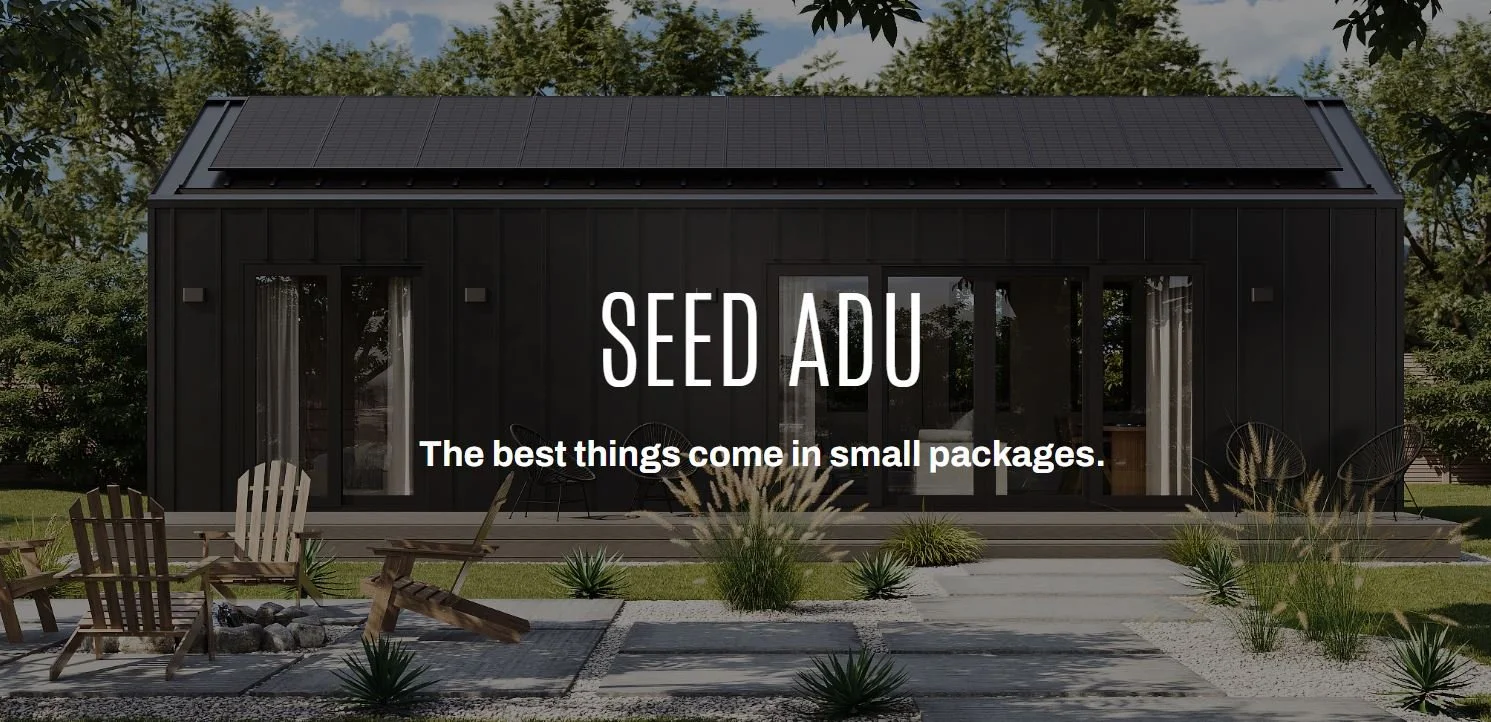
How MOMO by LuxMod Changes Everything
MOMO by LuxMod takes a radically different approach. These precision-engineered panelized ADUs are built indoors in a controlled factory environment, then delivered to your property for rapid installation.
The MOMO timeline looks like this:
Design selection and permitting: Same as traditional (However, MOMO models include a stamped site plan for permit application)
Site preparation: 1-2 weeks
Foundation installation: 2-3 weeks (or less if you opt for MOMO SureFoot foundation)
Module delivery and installation: Varies on shipping and builder/GC schedule.
On-site finishing and connections: 2-4 weeks
Final inspections: 1-2 weeks
Total timeline: 6-12 months from permit to occupancy.
That's up to a 40% (or more!) reduction in construction time compared to traditional builds.
The MOMO Advantage: Built Better, Not Just Faster
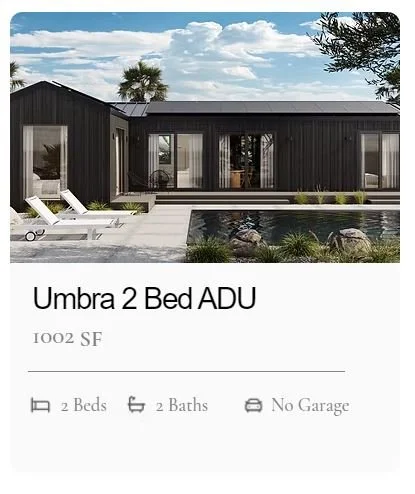
Umbra 2 BD model from MOMO by Luxmod
Speed without quality is meaningless. MOMO units don't just build faster, they build better.
Factory Precision
Every MOMO unit is constructed in a climate-controlled facility using advanced manufacturing techniques. This means:
Consistent quality control at every stage.
No weather-related material damage.
Precision-cut materials with minimal waste.
Skilled craftspeople working in optimal conditions.
Multiple quality checkpoints before delivery.
Modern Design for Denver Living
MOMO units are specifically designed for the way people actually want to live in 2026:
Open-concept layouts that maximize space.
High-efficiency systems that handle Colorado's temperature extremes.
Modern aesthetics that complement Denver's diverse architectural styles.
Smart home integration options.
Energy-efficient construction that reduces utility costs.
Built for Colorado Conditions
Unlike generic modular units, MOMO is engineered for Front Range climate challenges:
Enhanced insulation for cold winters and hot summers.
High-efficiency HVAC systems.
Quality materials designed for altitude and UV exposure.
Foundation systems suited to Colorado soil conditions.
Real Numbers: The ROI of Building Fast
Let's run the numbers on a typical Denver ADU investment:
Scenario: 800 sq ft MOMO unit in a desirable Denver neighborhood
Average rental rate: $2,200/month.
Traditional build completion: 15 months.
MOMO completion: 4-12 months.
Difference: up to 11 months!
Additional revenue with MOMO could be $24,200 in the first year alone!
Over a five-year period, that 11-month head start translates to meaningful financial advantage, not to mention the reduced carrying costs during construction and the ability to lock in today's material prices rather than facing inflation for another year.
For builders, the math is even more compelling. Complete three MOMO projects in the time it takes to finish one traditional build, and you've just tripled your annual project capacity.
Why 2026 Is Your Year to Build
The stars are aligning for Denver ADU construction in 2026:
Regulatory momentum: Denver and surrounding municipalities have streamlined ADU permitting processes, recognizing these units as crucial to addressing housing shortages.
Market demand: Rental demand remains strong across the metro area, with vacancy rates below 5% and rental prices continuing to climb.
Financing options: Lenders are increasingly familiar with ADU projects, making financing more accessible than ever.
Tax incentives: Various programs may offer tax advantages for adding density to existing properties—consult with your tax advisor about current opportunities.
Demographic shifts: Multigenerational living, remote work, and aging-in-place trends continue driving demand for flexible housing solutions.
The question isn't whether to build an ADU, it's whether you can afford to wait any longer.
Who MOMO Is Built For
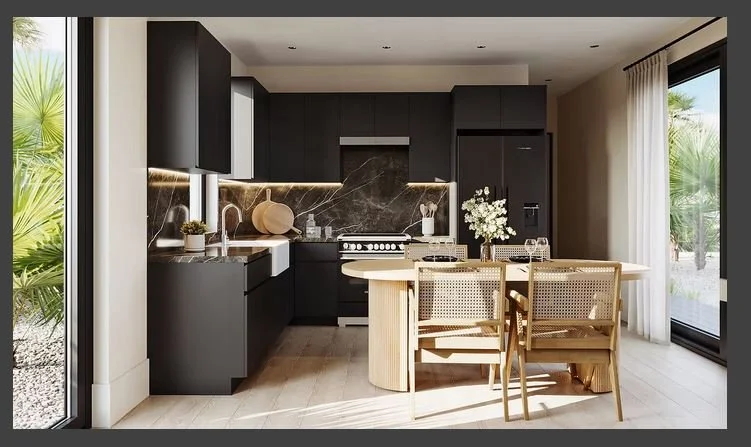
Umbra Kitchen.
Homeowners Looking To:
Generate passive rental income.
House aging parents or adult children.
Create a home office or creative studio.
Increase property value.
Provide long-term housing security for family members.
Builders and Developers Who Want To:
Increase project velocity and annual revenue.
Reduce weather-related delays and risks.
Offer clients predictable timelines.
Stand out in a competitive market.
Build more with the same crew size.
Property Investors Seeking To:
Maximize rental income per property.
Diversify their portfolio with ADU rentals.
Access Denver's strong rental market.
Create cash-flowing assets faster.
The Bottom Line: Your 2026 Starts Now
Denver's housing market isn't slowing down. Property values continue appreciating, rental demand remains robust, and the competition for quality housing intensifies every month.
Traditional construction methods can't keep pace with market demand, but MOMO can.
By choosing a modular solution that delivers quality faster, you're not just building an ADU. You're building financial opportunity, housing flexibility, and long-term value. You're building the way forward.
This is your sign to build in 2026.
The Denver market is ready. The technology is proven. The opportunity is now.
Build Fast. Build Better. Build MOMO.
Ready to explore how MOMO by LuxMod can work for your property or next project? Visit www.theaduwizard.com to learn more about bringing modern, efficient ADU construction to your Denver-area property. The future of building is here—and it's MOMO.