Build Fast. Build Better. Build MOMO: The Solution Real Estate Developers Have Been Waiting For
If you're a real estate developer in Texas, Arizona, North Carolina, Colorado, New Mexico, or California, you already know the challenges keeping you up at night. Labor shortages that push projects back months. Supply chain disruptions that blow budgets wide open. Weather delays that turn six-month timelines into year-long nightmares. Municipal approval processes that feel like they're designed to make you quit.
And through it all, your buyers are getting more impatient, your financing holding costs are climbing, and your competitors are somehow still undercutting your prices.
The old way of building isn't working anymore. It's time for something different.
The Pain Points That Are Killing Your Margins
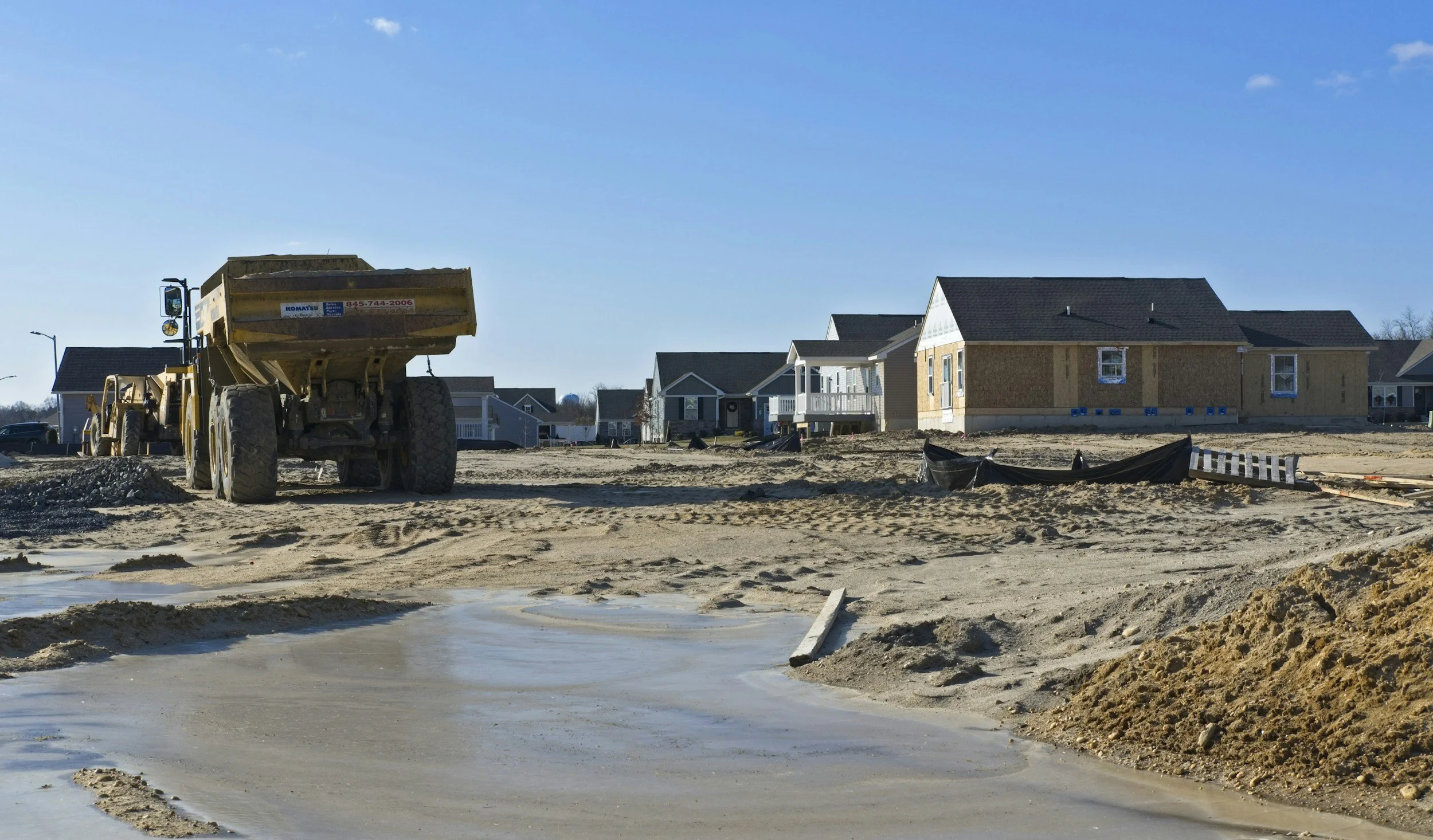
Let's be honest about what's really happening on your projects right now.
Labor is your biggest bottleneck. Finding qualified framers, electricians, and plumbers in booming markets like Austin, Phoenix, or Charlotte feels nearly impossible. When you do find them, they're juggling three other jobs, and your project sits idle while you wait for them to show up. Every day of delay is money evaporating from your bottom line.
Weather is holding you hostage. That Arizona heat. Colorado snowstorms. North Carolina humidity. California wildfires. Your construction schedule is at the mercy of forces you can't control, and traditional stick-built construction means you're exposed to the elements for months on end.
Quality control is a constant battle. With work spread across multiple job sites and dozens of subcontractors, maintaining consistent quality feels like herding cats. One bad inspector visit can shut down your entire project, and fixing mistakes after the fact costs exponentially more than getting it right the first time.
Your carrying costs are crushing you. Every month of construction delay means another month of loan interest, property taxes, and insurance premiums eating into your profit margins. In today's high-interest-rate environment, time literally is money, and you're hemorrhaging both.
Buyers expect more, faster. Today's home buyers and renters want quality construction, modern amenities, and energy efficiency. They want it yesterday. And if you can't deliver, they'll go to whoever can.
Enter MOMO by LuxMod: A Smarter Way to Build
What if you could cut your construction timeline in half? What if weather delays became nearly irrelevant? What if you could guarantee consistent quality across every unit while actually reducing your costs?
That's exactly what MOMO by LuxMod's building system delivers.
MOMO isn't just another prefab solution trying to reinvent the wheel. It's a sophisticated system designed specifically for developers who need to build faster, better, and more profitably in today's challenging market.
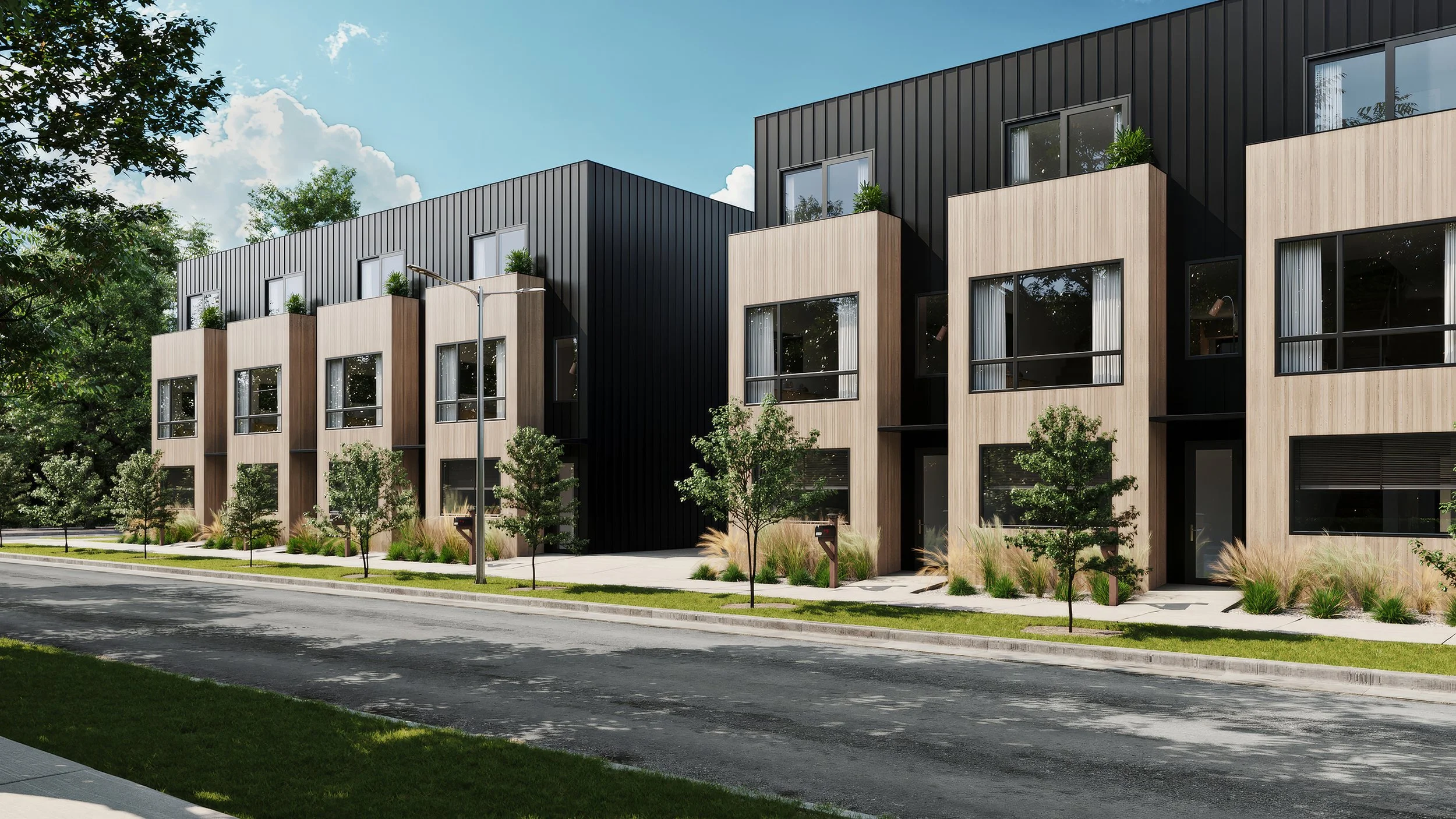
Faster Installation Times That Transform Your Timeline
With MOMO, the bulk of your construction happens in a controlled factory environment while your site work is being completed. No more waiting for framing crews. No more weather delays halting progress. No more subcontractors ghosting your project manager.
Once your model arrives on site, installation happens in weeks, not months. We're talking about going from foundation to weather-tight in a fraction of the time traditional construction requires. That means you're collecting rent or closing sales months earlier than you planned, and those carrying costs that were eating you alive? Dramatically reduced.
Superior Quality Through Factory Precision
Inside a controlled factory environment, every MOMO model is built to exacting standards. The same skilled craftspeople build unit after unit, perfecting the process. Quality inspections happen at multiple stages, catching issues before they become expensive problems. Materials are stored properly, never left exposed to the elements.
The result? Consistent, high-quality construction that passes inspections the first time and keeps your buyers happy for years to come.
Weather-Resistant Construction Process
While you can't control Mother Nature, you can control how much she impacts your projects. With MOMO's factory-built approach, 80-90% of your construction happens indoors. No rain delays. No heat-related slowdowns. No frozen ground stopping foundation work for weeks.
Your modules are being built regardless of what's happening outside, which means predictable timelines you can actually count on.
Cost Savings That Flow to Your Bottom Line
Faster construction means lower carrying costs. Reduced labor needs mean lower overall expenses. Less waste means you're not throwing money in the dumpster. Fewer weather delays mean you're not paying crews to stand around.
But here's the real advantage: with MOMO, you can accurately predict your costs from day one. No more surprise budget overruns halfway through construction. No more scrambling to find additional financing because labor costs doubled. You know exactly what you're building and what it will cost.
Scalability for Your Growing Portfolio
Whether you're building ADUs, multifamily developments, workforce housing, or residential communities, MOMO scales with your ambitions. The system adapts to different unit types and configurations, giving you flexibility without sacrificing the speed and quality advantages.
Planning a 50-unit development? The per-unit timeline doesn't multiply by 50, that's the power of modular construction. You can replicate success quickly and efficiently.
Why Now Is the Time to Switch
The real estate development landscape has fundamentally changed. The old playbook of finding cheap land, hiring the lowest-cost contractors, and hoping everything comes together on schedule doesn't work in markets where every month of delay costs tens of thousands of dollars.
Your competitors who adopt modular systems like MOMO first will have a massive advantage. They'll be delivering projects faster, with better margins, and higher quality. They'll be able to outbid you on land because their construction costs are lower. They'll capture buyer interest because they can deliver sooner.
The question isn't whether MOMO home construction is the future. It's whether you'll be leading that future or chasing it.
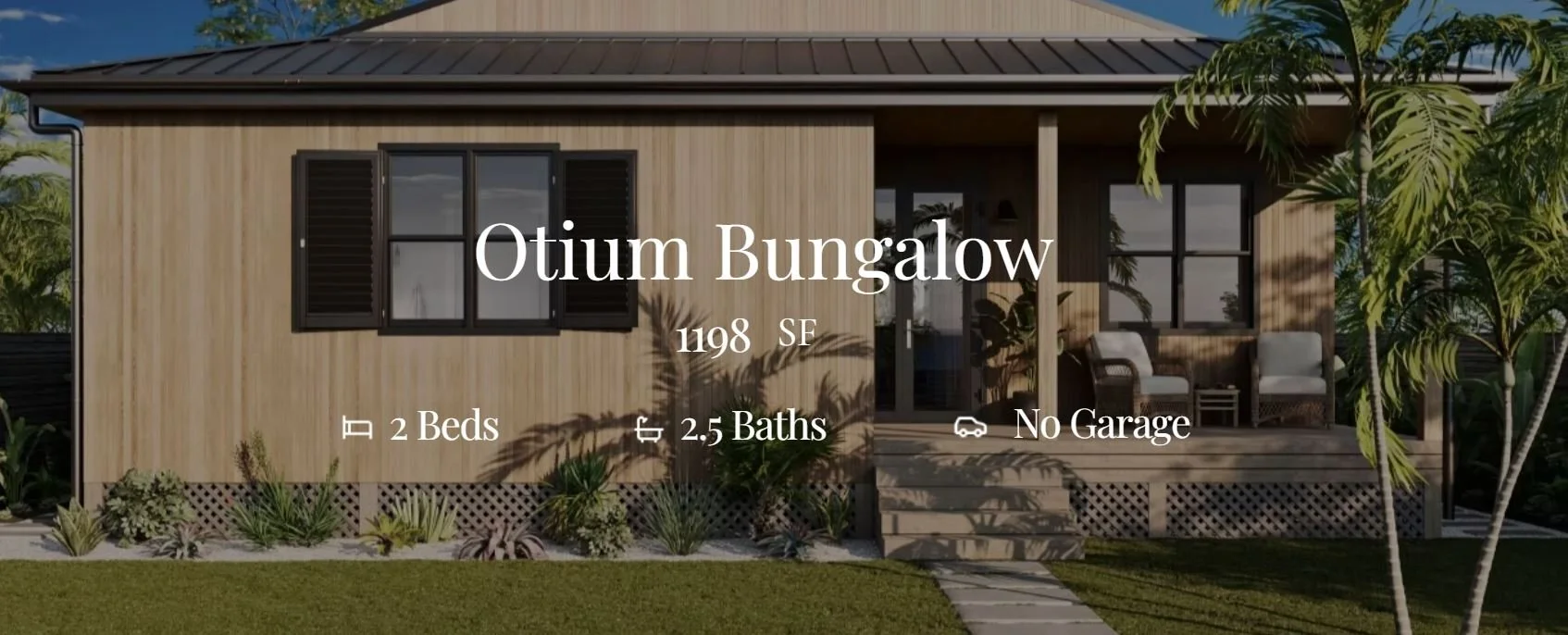
Build Fast. Build Better. Build MOMO.
MOMO by LuxMod represents a fundamental shift in how smart developers approach construction. It's not about cutting corners or delivering a cheaper product. It's about leveraging advanced manufacturing techniques to build faster, better, and more profitably than traditional methods allow.
In markets like Texas, Arizona, North Carolina, Colorado, New Mexico, and California where demand is high, labor is scarce, and competition is fierce, having a construction advantage isn't just nice to have. It's essential to survival.
The developers who thrive in the next decade will be the ones who recognized that speed and quality aren't trade-offs. With the right system, you can have both.
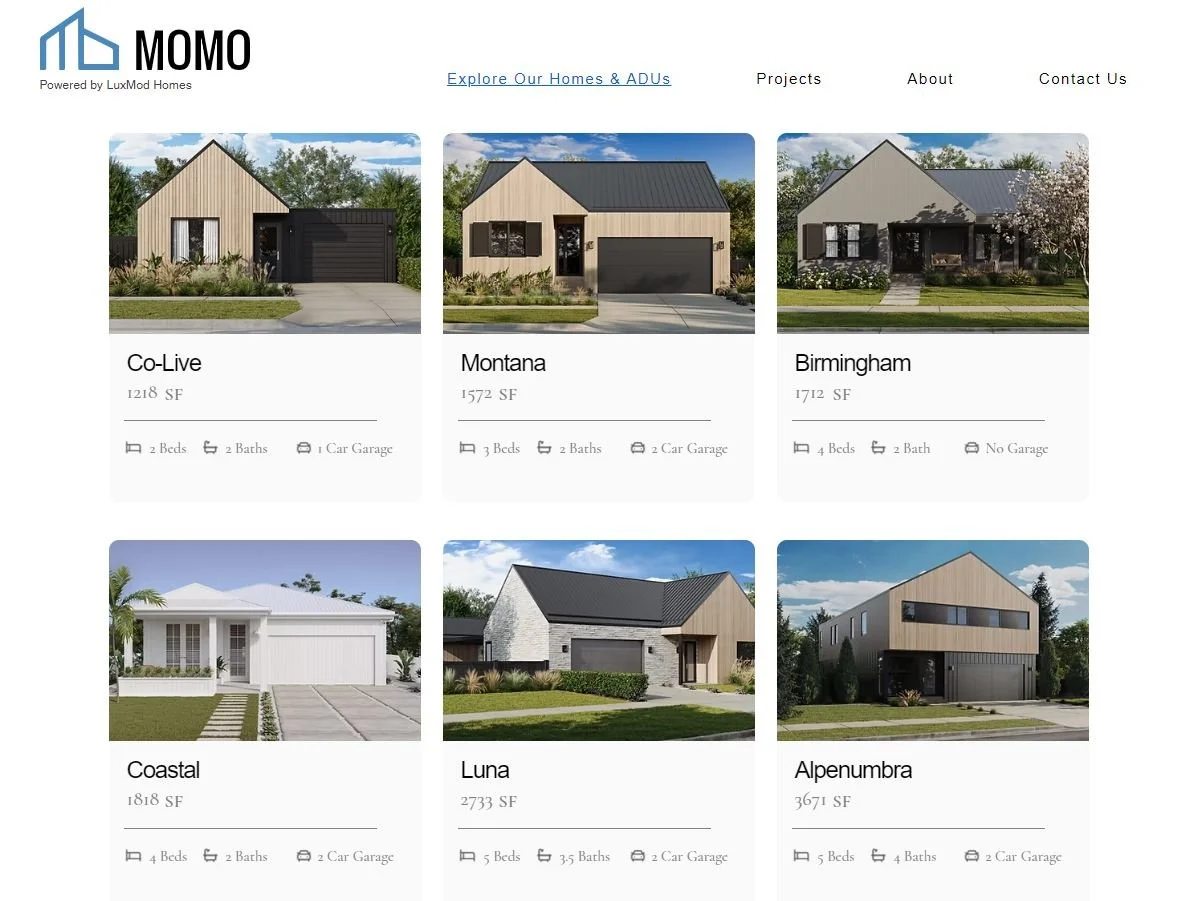
A sample of the MOMO by LuxMod models.
Ready to learn how MOMO by LuxMod can transform your next project?
Click here to request more information and connect with our team. Let's discuss how MOMO's panelized building system can give you the competitive edge you need in your market.
The future of development is MOMO.
Build Fast. Build Better. Build MOMO.
Fannie Mae's Game-Changing ADU Update: The Future of Affordable Housing Is Here
The housing finance world just sent a clear message: Accessory Dwelling Units (ADUs) are no longer a niche solution—they're a mainstream housing strategy. In December 2024, Fannie Mae announced sweeping changes to its lending guidelines that fundamentally reshape how ADUs are financed and valued in the mortgage market. This historic update represents a watershed moment for homeowners, investors, and anyone looking to solve the housing crisis one backyard at a time.
What Changed? Everything.
Fannie Mae expanded eligibility so loans on two- to three-unit properties with one ADU are now purchasable, and single-unit properties can have up to three ADUs if they comply with local zoning. Let that sink in, properties that were previously ineligible for conventional financing are now part of the mainstream lending market.
Here's what the new guidelines include:
For Single-Unit Properties:
Up to three ADUs allowed per property (previously just one).
ADUs now permitted on single-wide manufactured homes.
Renovation financing expanded with better terms.
For Multi-Unit Properties:
Two- to three-unit properties can now have one ADU.
Previously, multi-unit properties with ADUs were completely ineligible.
Enhanced Renovation Support: HomeStyle Renovation now offers upfront disbursements of 50% of total renovation costs for materials, permits, and architectural expenses, making it far easier to finance ADU construction without draining your savings first.
Why This Matters: A Paradigm Shift
For years, ADUs lived in a gray area of the housing finance ecosystem. They were often seen as non-conforming additions that complicated appraisals and made lenders nervous. This update changes everything.
Fannie Mae's changes signal a concerted effort to support flexible, resilient and affordable housing options. The message from the nation's largest mortgage guarantor is unmistakable: ADUs are a legitimate, long-term solution to housing demand, and financial policies are finally catching up with reality.
The implications are profound:
Easier Qualification: More borrowers can now use ADU rental income to qualify for loans, opening doors for people who were previously priced out of home ownership.
Property Values: As ADUs become standard features rather than exceptions, properties with multiple rental units will command premium valuations.
Housing Supply: By making ADU financing more accessible, Fannie Mae is removing one of the biggest barriers to increasing housing density in existing neighborhoods.
The Bigger Picture: ADUs Are Going Mainstream!
The Fannie Mae announcement doesn't exist in a vacuum. It's part of a broader recognition that ADUs represent one of our most powerful tools to address the housing shortage. States across the country have been relaxing zoning restrictions, and now the financing industry is following suit.
Consider California's experience: after eliminating ADU restrictions starting in 2017, permitted units skyrocketed from just over 1,000 in 2016 to nearly 25,000 by 2022. With Fannie Mae's new guidelines, we're likely to see this growth replicated nationwide.
The Perfect Storm: Why Now Is Your Moment!
Between Fannie Mae's historic policy shift and MOMO by LuxMod's end-of-year sale, the stars have literally aligned for ADU development. You've got:
Expanded financing options making ADUs more accessible than ever.
Multiple ADUs allowed on single-family properties.
Better renovation loan terms with higher upfront disbursements.
Limited-time savings with MOMO by LuxMod's year-end sale.
This is genuinely the best time in history to add an ADU to your property. The regulatory environment has shifted, the financing is in place, and the market is ready.
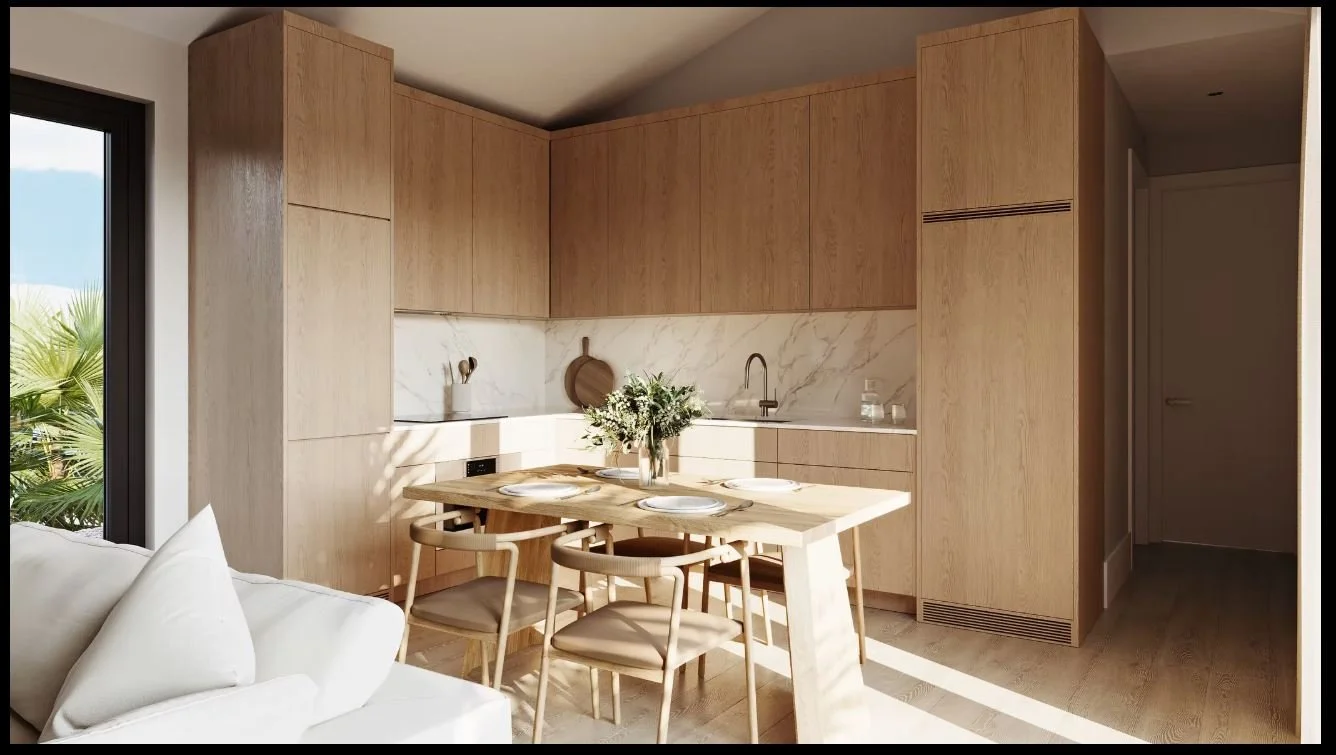
MOMO kitchen.
What This Means for You
Whether you're a homeowner looking to generate rental income, an investor seeking to maximize property value, or someone who wants to house extended family while building equity, ADUs have never been more accessible or valuable.
The removal of artificial financing barriers means:
Lower monthly payments by using rental income to qualify.
Higher property values with up to three income-generating units.
Faster approval with streamlined renovation financing.
More flexibility in how you design and deploy your ADU strategy.
Take Action Before 2025 Ends
The combination of Fannie Mae's expanded guidelines and MOMO by LuxMod's end-of-year sale creates a unique window of opportunity that won't last forever. While the new lending policies are here to stay, special promotional pricing typically isn't.
If you've been considering an ADU, whether as a rental unit, home office, guest house, or multi-generational living solution, this is your moment. The financial infrastructure that was missing for decades is finally in place. There is no time to wait!
Ready to turn your real estate dreams into reality?
Get Your Free Quote Today and discover how easy it is to get your ADU dream started!
Don't let this opportunity pass. The housing finance world has finally recognized what we've known all along: ADUs aren't just an accessory to your property, they're the future of affordable, flexible, sustainable housing. And that future is available right now.
Visit The ADU Wizard www.theaduwizard.com and get your free, no hassle or obligation quote!
Hedging AI Wealth: Why Tech Millionaires Are Moving Into Physical Assets
The AI Boom Has Created Unprecedented Wealth, But What Happens Next?

The artificial intelligence revolution has minted fortunes at a velocity unprecedented even by Silicon Valley standards. Twenty-nine founders have collectively built $71 billion in wealth from the AI boom, while AI enthusiasm helped create 600,000 new millionaires in 2024 alone. If you've built wealth through AI—whether through founding a company, early equity, or strategic investments—you've experienced returns that wealth advisors describe as fundamentally different in speed and scale from previous tech cycles.
But velocity cuts both ways.
The same rapid ascent that created this wealth has spawned serious questions about sustainability. Major tech companies are collectively investing around $400 billion in AI infrastructure this year, with some devoting roughly 50% of their current cash flow to data center construction. MIT economist Daron Acemoglu, who received the 2024 Nobel Memorial Prize in Economic Sciences, warns that the industry is experiencing significant exaggeration and over-investment. Perhaps most concerning: an MIT report from August 2025 found that despite $30-40 billion in enterprise investment into generative AI, 95% of organizations are getting zero return.
The parallels to the dot-com era are impossible to ignore. The Bank of England has warned of growing risks of a global market correction due to possible overvaluation of leading AI tech firms, and financial experts note circular financing patterns reminiscent of the late 1990s.
Speed Is Everything—In Wealth Creation and Wealth Protection
You didn't get where you are by moving slowly. You recognized the AI opportunity early, executed with precision, and scaled faster than the market could fully comprehend. That same philosophy, speed as a competitive advantage, applies equally to protecting what you've built.
No one knows when or if the AI bubble will burst. The technology is real, the applications are transformative, and the economic impact is measurable. But timing market corrections is impossible, and waiting for certainty means you've already waited too long.
The smartest hedge isn't market timing, it's asset diversification with a bias toward action.
Why Physical Assets Matter in a Digital Wealth Portfolio
For professionals who've built wealth in the digital economy, physical real estate represents something fundamentally different: tangible, finite, and disconnected from the same market dynamics that created your initial wealth. While your AI company's valuation fluctuates with sentiment, your home appreciates through fundamentally different mechanisms—location scarcity, population growth, and regulatory constraints on supply.
Real estate has historically provided:
Wealth preservation through market cycles. Physical assets maintain value even during corrections in speculative tech sectors. When the dot-com bubble burst, real estate values continued their trajectory largely independent of NASDAQ's 78% decline.
Immediate utility regardless of market conditions. Unlike options that expire worthless or stock positions that can evaporate, your home serves a function irrespective of its paper value. You live there, you use it, you control it.
Tax advantages unavailable to liquid holdings. Mortgage interest deductions, property tax deductions, and the primary residence capital gains exclusion create significant tax efficiencies that complement your likely substantial W-2 or 1099 income.
Psychological anchoring during volatility. When your net worth swings millions in a single trading session, having substantial equity in physical property provides emotional stability that portfolio diversification spreadsheets can't capture.
The Traditional Real Estate Problem: Speed
Here's the paradox: you recognize real estate's value as a hedge, but traditional homebuilding timelines are incompatible with how you operate. Waiting 12-18 months for a custom build means watching market opportunities pass while construction proceeds at a pace that feels like it's designed for a different century.
You've optimized every other aspect of your life—why accept inefficiency in what's likely the second-largest asset allocation decision you'll make?
MOMO by LuxMod: Built for Tech Professionals Who Value Speed
MOMO by LuxMod solves the timing problem through precision-engineered panelized home and DADU kits that deliver custom luxury homes in a fraction of traditional timelines. These aren't compromises, they're modern, fully comprehensive systems with luxury finishes, sustainable materials, and integrated smart home technology.
The value proposition aligns precisely with how you think about execution:
Compressed timelines. What traditionally requires 12-18 months can be accomplished in weeks, not quarters. When you decide to move on an opportunity, execution speed matters.
Predictable outcomes. Factory construction with rigorous quality control means fewer field variables, fewer weather delays, and fewer contractor issues. You get the certainty of process you'd demand in any business deployment.
Design flexibility with technical precision. Customize finishes, layouts, and features while maintaining the structural integrity and efficiency that comes from engineered systems. You're not choosing between personalization and quality, you get both.
Sustainability without sacrifice. Energy efficient designs and sustainable materials reduce operating costs and environmental impact, but the homes don't look or feel like compromises. They're architecturally modern with premium aesthetics.
Land Acquisition: The Parallel Speed Advantage
MOMO by LuxMod's speed advantage compounds when paired with efficient land acquisition. Platforms like www.billyland.com and government land auctions provide access to properties across multiple states with streamlined purchasing processes. Owner-financed options eliminate traditional mortgage approval delays, and many parcels are available with low down payments and flexible terms.
The combination, rapid land acquisition followed by accelerated construction, means you can move from decision to occupancy in time frames that seemed impossible a decade ago.
This matters for hedging because timing flexibility creates opportunity. When you identify a correction risk, you can act. When you see a geographic market with particularly attractive fundamentals, you can move. Speed converts strategic thinking into tangible assets before market conditions shift.
Multiple Properties: A Diversification Strategy
Many tech professionals are extending the hedge beyond a single primary residence. Multiple properties provide:
Geographic diversification. Different regional economies respond differently to tech sector corrections. Properties in Austin, Boise, and Raleigh face different demand drivers than homes in San Francisco or Seattle. If building a real estate rental portfolio is the goal, look to fast growing areas like in Arizona.
Rental income streams. Investment properties generate cash flow disconnected from your company's performance, creating income diversification that stabilizes net worth during volatility.
Family compound optionality. Multiple properties enable extended family proximity—valuable for childcare, elder care, or simply maintaining relationships while preserving individual household autonomy.
Future flexibility. Career pivots, retirement relocation, or portfolio rebalancing all become easier when you already own properties in multiple attractive markets.
MOMO by LuxMod's efficiency makes the multiple-property strategy viable. Traditional custom builds require such intensive time investment that pursuing three or four simultaneously becomes impractical. With streamlined processes and compressed timelines, executing a multi-property acquisition strategy doesn't monopolize two years of your life.
The Tech Professional's Hedging Playbook
Smart hedging isn't about predicting the future, it's about reducing regret regardless of which future materializes. If AI continues its explosive growth, your physical real estate appreciates alongside your digital wealth. If correction comes, you've locked substantial net worth into assets with different risk profiles and return drivers.
The specific implementation might look like:
Primary residence upgrade. Move from a standard home to a property that better reflects your success while capturing equity in a high-quality physical asset.
Vacation property with rental potential. Acquire in a location you love, enjoy personally, but generate income when not using it.
Strategic investment properties. Focus on markets with strong job growth outside pure tech, healthcare hubs, education centers, government employment concentrations.
Family land holdings. Larger parcels in growth corridors that provide long-term optionality for development, generational wealth transfer, or future use.
The common thread: use MOMO by LuxMod's speed advantage to execute while market conditions remain favorable, rather than waiting for perfect information that never arrives.
Why Speed Is the Crucial Variable
The AI sector has demonstrated that market conditions can shift with startling rapidity. In late January 2025, the DeepSeek launch resulted in Nvidia's shares dropping 17% in a single day, a reminder that even market leaders aren't immune to sudden repricing. When conditions change, your window for optimal action compresses.
Traditional construction timelines create execution risk. If you decide in Q1 that diversification into real estate makes sense, but your build won't complete until Q3 of the following year, you've introduced 18 months of market risk into what should be a hedging strategy.
MOMO by LuxMod's accelerated timeline eliminates this lag. Decision and execution occur in time frames that align with how you actually operate and how markets actually move.
The Clear Choice for AI Professionals
You've succeeded by recognizing opportunities before they're obvious, executing with precision, and moving faster than competitors. Protecting that success requires the same mindset.
No one knows if or when the AI bubble will burst. But everyone knows that speed is critical to successful execution—in wealth creation and wealth preservation. MOMO by LuxMod provides the velocity you need to convert strategic thinking into tangible assets before market dynamics shift.
Find your land. Deploy your capital. Build your hedge.
The best time to diversify was yesterday. The second-best time is before everyone else reaches the same conclusion.
MOMO by LuxMod offers precision-engineered panelized home kits designed for professionals who value speed, quality, and modern aesthetics. Learn more and get a FREE quote at www.theaduwizard.com. Land acquisition resources available through billyland.com and government auction sites nationwide.
3 Critical Pain Points ADU Builders in Canada face (And How MOMO by LuxMod Solves Them)
The Canadian ADU market is booming. With housing affordability reaching crisis levels across Ontario, British Columbia, and beyond, accessory dwelling units (garden suites, secondary suite, they have many names) have emerged as a practical solution to increase housing density without major infrastructure overhaul. But for builders and contractors, the ADU opportunity comes with significant challenges that can eat into profits, delay projects, and frustrate clients.
If you're an ADU builder in Canada, you know these pain points all too well. The good news? MOMO by LuxMod's panelized ADU models offer solutions that can transform your business and boost your bottom line.
Pain Point #1: Extended Construction Timelines and Weather Delays
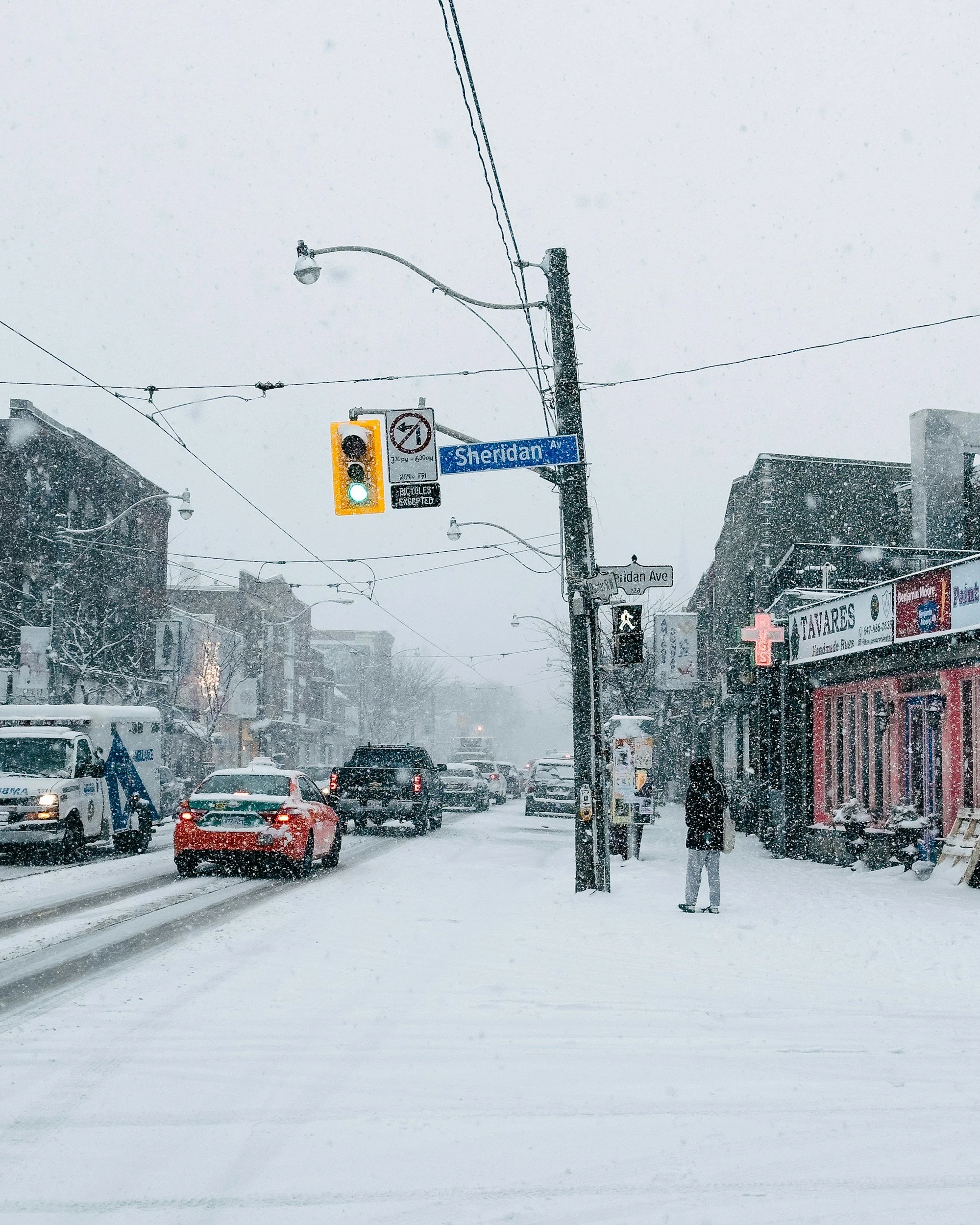
Winter
The Challenge:
Canadian builders face one of the most unpredictable factors in construction: weather. Ontario's humid summers, harsh winters, and freeze-thaw cycles can halt traditional site-built ADU projects for weeks or even months. Every delay means carrying costs pile up, client frustration grows, and your crew sits idle.
Construction financing costs accumulate with each passing week, and weather-related delays are largely outside your control. Traditional stick-built ADUs in Canada can take 12-18 months from concept to completion, with winter conditions creating significant work stoppages.
The MOMO by LuxMod Solution:
MOMO's panelized construction system slashes build time dramatically. Because panels are manufactured in a controlled factory environment, weather is no longer your enemy. While you're preparing the site and foundation, the ADU is being precision-built indoors, safe from rain, snow, and temperature extremes.
Revenue Impact: Build ADUs in as little as 8 months instead of 18. That's 2-3 projects per year instead of one, potentially doubling or tripling your annual ADU revenue. Reduced carrying costs and faster client turnover mean healthier cash flow and happier customers who refer more business your way.

Budget
Pain Point #2: Cost Overruns and Budget Unpredictability
The Challenge:
Construction costs for garden suites range from $400-$700 per square foot in Toronto, with significant variability based on site conditions, material costs, and labor availability. Traditional construction involves coordinating multiple trades, managing material deliveries, and dealing with inevitable surprises that blow budgets.
Every property has unique zoning constraints, utility locations, and site conditions. High upfront costs and budget uncertainty make it difficult to provide accurate estimates to clients, leading to difficult conversations about change orders and cost increases. For builders, this unpredictability makes it hard to price projects competitively while protecting your margins.
The MOMO by LuxMod Solution:
Panelized construction provides exceptional cost predictability. Because MOMO units ship ready to install with solid wood cabinets, soft-close hinges, quartz countertops and backsplashes, brushed nickel finishes, and Bosch & LG appliances already included, you know exactly what you're getting and what it costs.
The factory-controlled manufacturing process eliminates many of the variables that cause cost overruns in traditional construction. Less waste, more efficient labor utilization, and bulk material purchasing mean better pricing that you can pass along to clients or keep as improved margins.
Revenue Impact: Predictable costs allow you to bid more projects confidently and close more deals. When clients see transparent, all-inclusive pricing with premium finishes already included, they're more likely to move forward. Reduced waste and efficient installation mean you keep more of each project's revenue as profit. The ability to provide accurate quotes also positions you as a professional, trustworthy builder in a market where uncertainty is the norm.
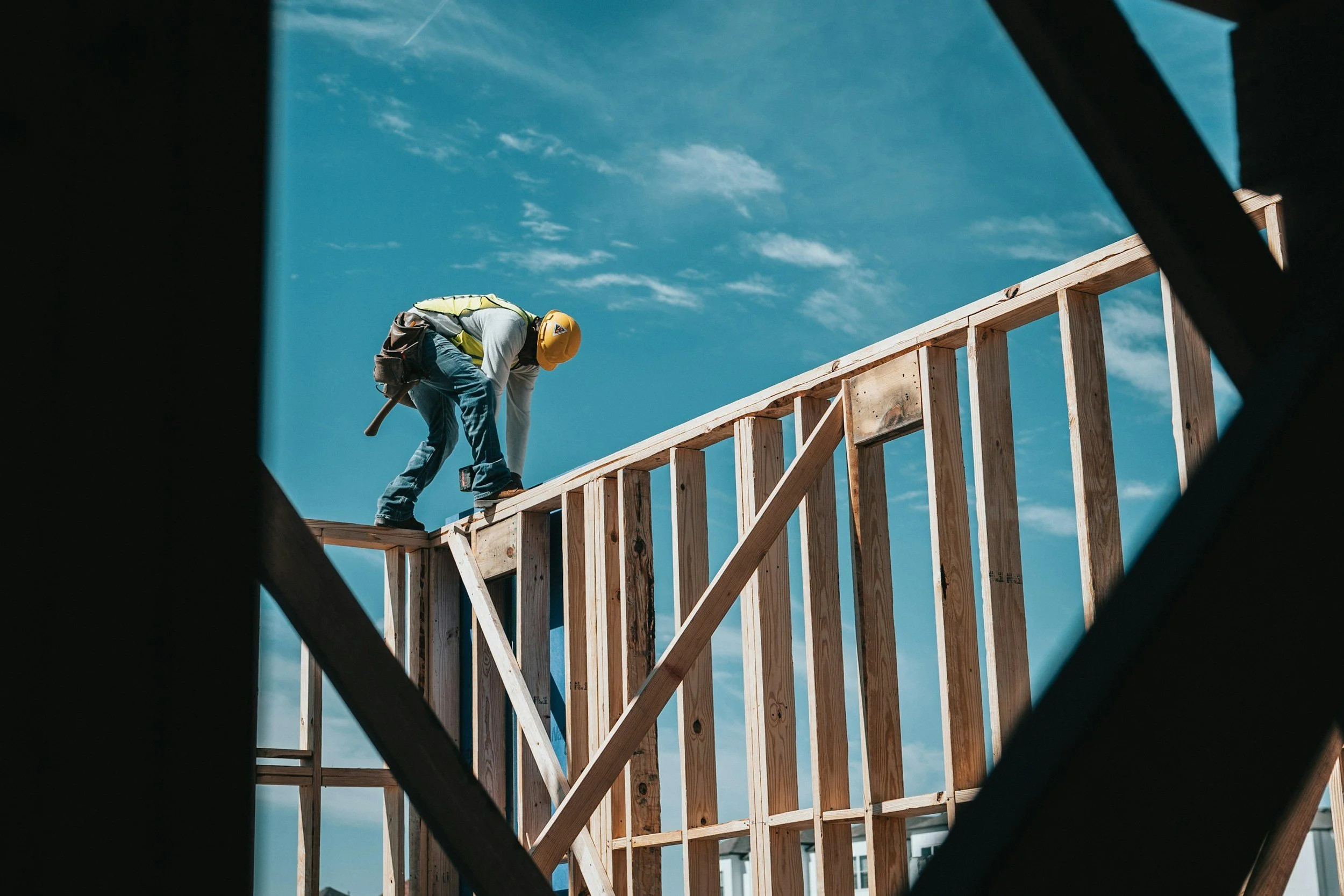
Labor
Pain Point #3: Labor Shortages and Skilled Trade Availability
The Challenge:
Finding skilled tradespeople is one of the biggest headaches facing Canadian builders today. ADU construction requires coordinating framers, electricians, plumbers, HVAC specialists, finish carpenters, and more. Each trade has limited availability, and scheduling conflicts can cascade through your project timeline.
The situation is particularly acute for specialized work like achieving the airtight building envelopes required for Canadian climate performance. Many local construction teams lack prior experience with high-performance building standards, requiring extensive supervision and increasing the risk of costly mistakes.
The MOMO by LuxMod Solution:
MOMO's panelized system dramatically reduces the skilled labor requirements on-site. The panels arrive with much of the complex work already completed in the factory by experienced craftspeople. What would typically require a full crew of specialized trades becomes a streamlined installation process that your existing team can handle.
The system is designed for efficient assembly with clear installation documentation. You don't need hard-to-find specialists for every phase of construction. This means you can take on more projects without being constrained by trade availability and you can maintain quality control more effectively.
Revenue Impact: Complete more projects with the same crew size. When you're not constantly waiting for the next trade to become available, your project timelines shrink and your team stays productive. This efficiency translates directly to increased revenue capacity. You can build 4-5 MOMO ADUs per year with a small crew instead of struggling to complete 2-3 traditional builds with a large, hard-to-coordinate team. The labor cost savings flow straight to your bottom line.
The Bottom Line: Transform Your ADU Business
The Canadian ADU market represents a massive opportunity, but only for builders who can deliver projects efficiently, predictably, and profitably. Traditional construction methods create friction at every stage—weather delays, permitting headaches, cost overruns, and labor shortages all conspire to limit your growth and squeeze your margins.
MOMO by LuxMod's panelized ADU models eliminate these friction points:
Speed: Build in 8 months instead of 18, doubling your annual project capacity.
Predictability: Streamlined permitting and transparent costs mean fewer surprises and happier clients.
Quality: Factory-built precision with premium finishes included delivers consistent results.
Efficiency: Reduced labor requirements and faster installation mean lower costs and higher profits.
For builders serious about scaling their ADU business, the math is simple: MOMO models let you build more, build faster, and build more profitably. While your competitors struggle with traditional construction challenges, you'll be moving from one successful project to the next, building your reputation and your revenue.
The Canadian housing crisis isn't going away. The demand for ADUs will only grow. The question is: will your business be positioned to capitalize on this opportunity, or will you be held back by the limitations of traditional construction?
Ready to Transform Your ADU Business?
Discover how MOMO by LuxMod models can help you build faster, more efficiently, and more profitably. With panelized construction designed for the Canadian market, you'll deliver exceptional results that keep clients coming back and referring their friends.
Contact The ADU Wizard:
Email: joshua@theaduwizard.com
WhatsApp: 808 463 8334
The ADU Wizard partners with MOMO by LuxMod to bring efficient, beautiful, and fast panelized ADU solutions to Canadian builders and homeowners. All MOMO models are crafted for efficient assembly, strong performance, and elegant living.
Build fast. Build better. Build MOMO.
The Expert Guide to Minnesota Tiny Homes and ADUs
Are you a Minnesota homeowner looking to add rental income, a family member, or a dedicated home office? Perhaps you're a downsizer dreaming of a minimalist life on the North Shore or in a cozy Twin Cities backyard. Minnesota tiny homes and ADUs (Accessory Dwelling Units) are one of the state's fastest-growing housing solutions.
This comprehensive guide offers practical, localized advice for navigating the unique climate, complex zoning, and exciting opportunities in the North Star State. It will provide the MN-specific context you need—from frost depth requirements to Twin Cities regulations—to make your tiny home or ADU dream a reality.

What Counts as a Tiny Home or ADU in Minnesota (MN-Specific Definitions/Terms)
While often used interchangeably, "Tiny Homes" and "ADUs" have distinct legal definitions in Minnesota, primarily driven by size and foundation. Understanding these differences is crucial for permitting and zoning.
Accessory Dwelling Unit (ADU): An ADU is a secondary, self-contained dwelling unit on a single-family lot. It must include a kitchen, bathroom, and sleeping area. ADUs can be attached (like a basement or above-garage apartment) or detached (a backyard cottage). Most local ordinances limit their size, typically to a maximum of 700 to 1,000 square feet, and often require the property owner to occupy either the main house or the ADU.
Tiny Home (Permanent Dwelling): In Minnesota, a tiny home built on a permanent foundation is typically defined as a residential dwelling unit of 400 square feet or less that follows the Minnesota Residential Code, which incorporates Appendix Q of the International Residential Code (IRC). This classification means it's treated like a small house, requiring standard building permits and compliance with local setbacks.
Tiny Home on Wheels (THOW): THOWs are generally built to RV standards (NFPA 1192 or ANSI A119.5). These units are not typically permitted for full-time residence on private land in most Minnesota municipalities due to zoning and utility hookup regulations. They are usually restricted to licensed RV parks, seasonal resorts, or as temporary housing (with permits) in many areas.
Quick Take: If you are planning a permanent dwelling on a foundation, you will be following the Minnesota Residential Code. If it’s a secondary unit on your property, you're building an ADU, and local zoning will dictate the specific size and placement rules. Always check with your city's planning department.
Top Providers, Builders, and Venues (MN + Upper Midwest)
The Minnesota market is served by a blend of local, hyper-specialized builders and larger, regional modular and prefab companies. When selecting a partner, prioritize one with documented experience meeting the stringent MN building code, especially concerning insulation and climate.
Local MN Tiny/ADU Specialists: Look for boutique design/build firms, particularly in the Twin Cities area, that specialize exclusively in ADUs. These local experts have a deep understanding of municipal zoning variations and local permitting offices.
Modular/Prefab/Panelized Builders (Upper Midwest): Many excellent modular home providers in the Upper Midwest (Wisconsin, Iowa, Minnesota) offer models that fit the ADU size constraints and are built in a controlled environment to a high standard, which can simplify construction time.
Custom Home Builders: For high-end or highly specific site challenges, many general contractors with a residential portfolio can take on an ADU project, though you will need a clear design to start.
Venues & Communities: While dedicated tiny home villages are still rare, many RV parks and seasonal resorts along the North Shore or in the Brainerd Lakes area allow "Park Model RVs" (often larger than a THOW but smaller than a traditional cabin). Be sure to check their seasonal restrictions.
Pricing and Total Cost Breakdown
The cost of a tiny home or ADU in Minnesota is not just the sticker price of the unit; site work and code compliance are major financial factors in a cold climate.
Disclaimer:These are 2023–2025 market estimates for the Minnesota region. Actual costs vary widely based on size, finish level, location (site work in Duluth's hills is different from flat Woodbury), and contractor selection.
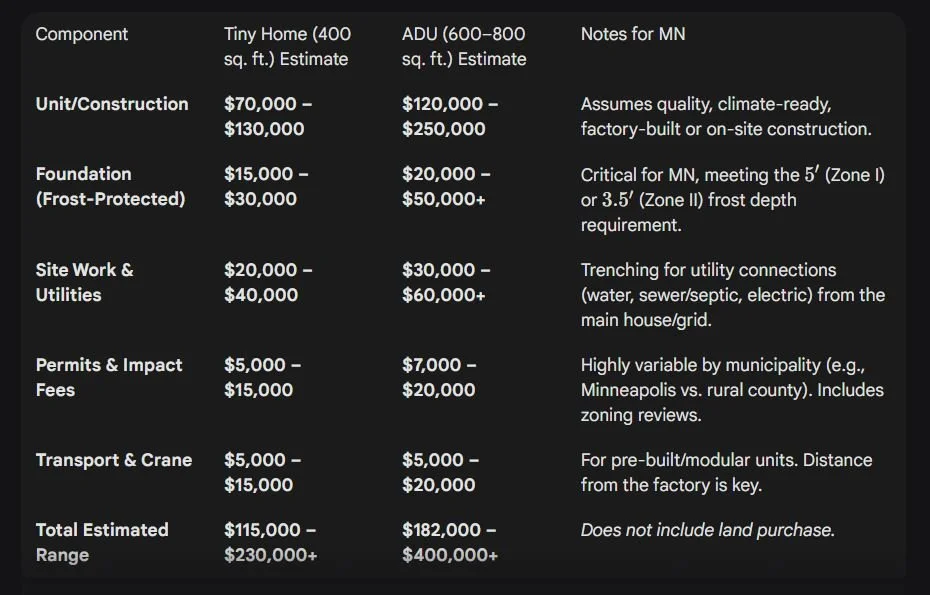
The Winterization Premium: The cost difference per square foot for materials like higher R-value insulation (see below), specialized vapor barriers, and robust heating systems means MN construction is inherently more expensive than in warmer climates.
Permits, Zoning, and Local Regulations
Navigating the local bureaucracy is often the most time-consuming part of an ADU or permanent tiny home project in Minnesota. State code provides the baseline (like the 400 sq. ft. max for a tiny home classification), but *local zoning* dictates what is allowed on your specific property.
Statewide Context: All permanent dwellings must comply with the Minnesota State Residential Code (based on the IRC). This covers structural integrity, plumbing, and energy efficiency.
City/County Examples (Detached ADUs):
Minneapolis & St. Paul: Both cities generally permit ADUs (backyard cottages). Minneapolis has historically been more proactive, often allowing ADUs by right in single-family zones, while St. Paul has similar, recently updated ordinances.
St. Louis Park & Edina: These affluent suburbs are becoming increasingly ADU-friendly, often setting maximum sizes (e.g., Edina up to 1,000 sq. ft. or the size of the main unit, and requiring owner-occupancy).
Rochester: Home to the Mayo Clinic, Rochester is actively encouraging ADUs to alleviate housing shortages, often with clear, dedicated application processes.
Duluth & North Shore: Regulations can be stricter or vary greatly by township. Lake Superior shoreline setbacks and terrain challenges must be considered alongside typical city zoning.
Must Verify: You must verify your property's specific zoning, setback requirements (distance from lot lines), height restrictions, and whether a conditional use permit (CUP) or rental license is required with your city or county's Planning/Community Development Department.
Seasonal and Climate Considerations
The Minnesota climate demands a non-negotiable focus on robust design and superior materials to ensure comfort and longevity.
Frost Depth Protection: To prevent movement and structural damage from our deep frost, foundations must be placed below the minimum frost depth, which ranges from 5’ (60 inches) in Zone II to 6.5’ (78 inches) or more in Zone I (Northern MN, depending on county engineer determination). This is why a simple slab won't suffice.
Insulation and R-Values: The Minnesota Energy Code mandates high R-values (a measure of thermal resistance) to combat extreme cold. Expect requirements such as R-49 in the ceiling/attic, and R-21 for wood frame walls in most of Climate Zone 7. Prioritize continuous insulation to minimize thermal bridging.
Snow Load: Roofs must be engineered to withstand significant snow accumulation, especially on the North Shore or in northern counties. Your builder must calculate the appropriate live load for the location.
Energy Efficiency: A well-insulated tiny home or ADU is ideal for MN. Consider high-efficiency mini-split heat pumps for both heating and cooling, which are well-suited for smaller spaces and provide excellent energy savings.
Insider Tips and Buying Checklist
Use this checklist before you commit to a design or builder to ensure you've covered the MN essentials.
Zoning Pre-Check: Contact your city or county before hiring a designer. Get a clear understanding of maximum height, size (sq. ft.), setbacks, and owner-occupancy rules.
Utility Path: Locate your existing main sewer/septic line and water line. The cost of running utilities to a detached unit is often the biggest unexpected expense.
Foundation Type: Confirm your builder is planning a permanent, frost-protected foundation (such as a full basement, crawlspace, or frost-protected shallow foundation) that meets local frost depth requirements.
HVAC for Cold: Ensure your heating system is rated for extreme cold (Zero F or below). Look for Hyper-Heat or cold-climate rated mini-splits.
Water Management: Verify the design includes a proper vapor barrier and air sealing to prevent condensation and moisture damage, which is a common issue in tightly sealed, cold-climate homes.
Neighborhood and City-by-City Guidance
While the Twin Cities lead in ADU adoption, opportunities exist throughout the state. Remember: rules change, so always check the current code!
Twin Cities Metro Area (MSP)
Minneapolis/St. Paul (The Core): Often the most progressive, allowing ADUs in almost all residential zones. Rules are clearly documented and streamlined for attached and detached units.
St. Louis Park, Edina, Bloomington: These first-ring suburbs have adopted robust ADU ordinances. Owner-occupancy is a common requirement to prevent over-rental of neighborhoods.
Maple Grove, Woodbury, Stillwater: Policies vary, with some communities having stricter or more recent ordinances regarding lot coverage, size limits, and architectural compatibility with the main home.
Greater Minnesota & Regional Hubs
Duluth & North Shore: Expect stringent codes due to the challenging terrain (hills) and severe weather. The reward is proximity to Lake Superior and the Boundary Waters.
Rochester (Medical Hub): Highly encouraging of ADUs to house staff and students. Expect clear but strict permitting and connection requirements.
St. Cloud & Mankato: Driven by university populations, these areas are exploring ADUs as an affordable housing strategy. Zoning is often less mature but more flexible than in the core metro.
Moorhead/Fargo: Regulations align with cold-climate best practices, often mirroring North Dakota's focus on robust winterization and energy standards.
Financing and Insurance Options in MN
Standard residential lending options often need adjustments for tiny homes and ADUs.
ADU Financing (The Best Route): Since an ADU is a permanent addition to an existing home, the best financing options are typically tied to the primary property:
Home Equity Loan/HELOC: Uses the existing home's equity, often with favorable rates.
Construction Loan: Converts to a standard mortgage once the project is complete.
Fannie Mae/Freddie Mac: These entities have specific ADU loan programs, often rolled into a new or refinanced mortgage.
Tiny Home on Foundation Financing: Permanent tiny homes may qualify for conventional mortgages if they meet minimum square footage, have an engineered foundation, and are certified to meet residential code.
Insurance: Most ADUs can be covered by a simple endorsement on the existing homeowner's policy. For a detached tiny home, you will need a separate, standalone homeowner’s insurance policy, which may be complex if the home is under 600 square feet.
Utilities, Hookups, and Site Prep
Getting water and power to your tiny home or ADU is often the most technical and costly element of site preparation in Minnesota.
City Services (The Ideal): Connecting to existing city sewer and water is the cleanest option. However, running a new line from the main house to the backyard unit requires extensive trenching and can cost tens of thousands, especially under driveways or rocky terrain.
Septic and Wells (Rural Areas): In rural Minnesota, your ADU may require a separate or upgraded septic system and/or well. This requires soil testing and percolation tests per Minnesota Pollution Control Agency (MPCA) standards.
Grid vs. Off-Grid: Most ADUs connect to the main home's electrical panel (or require a sub-panel). True off-grid living is highly challenging for full-time residency due to the intense energy demand for heating during a long MN winter.
Skids vs. Foundations: For permanent, year-round living in MN, a permanent, code-compliant foundation (as discussed in the Seasonal and Climate Considerations section) is mandatory. Skid-based construction is generally only permitted for temporary or recreational use.
Where to Place or Stay
Where you can legally place a tiny home depends entirely on its classification.
Backyards (ADU/Permanent Tiny Home): The most common location. Placement is restricted by local setback rules.
RV Parks & Seasonal Resorts (THOW/Park Models): Many lakeside resorts (like those in the Brainerd Lakes or on the Mississippi River) permit the placement of Park Model RVs for seasonal use, typically running from May to October. They are *not* generally legal for year-round habitation in these spots.
Short-Term Rental Rules (STR): Renting your ADU on platforms like Airbnb or VRBO is highly regulated. Many Twin Cities suburbs, including Edina, prohibit ADUs from being used as short-term rentals (requiring 30+ day leases). Always check your city's specific rental and licensing rules before planning a cash-flow model.
Case Studies or Example Scenarios
1. The Twin Cities Downsize/Rental ADU
A St. Paul homeowner wants to downsize while staying in their historic Mac-Groveland neighborhood. They build a $250,000 detached ADU (650 sq. ft.) in their backyard for themselves and rent out the main 2,000 sq. ft. house.
Challenge: Connecting utilities from the front of the lot to the backyard unit.
Solution: Trenching cost $35,000. The ADU was built on a frost-protected shallow foundation. The project meets St. Paul's owner-occupancy rule because the homeowner lives in the ADU, allowing them to legally rent the main house for significant income.
2. The North Shore Remote Office/Guest Tiny Home
A property owner near Grand Marais is building a 380 sq. ft. permanent tiny home on their forested land near Lake Superior to serve as a remote retreat and guest space.
Challenge: Extreme frost depth (78+ inches) and no city utilities.
Solution: The unit was placed on a full, insulated crawlspace foundation to meet the deeper frost requirements. A well and new MPCA-approved septic system were required, increasing the site prep cost significantly to nearly $80,000. It was built with high R-value spray foam to withstand the harsh coastal winters.
Conclusion
The market for Minnesota tiny homes and ADUs offers exciting opportunities for homeowners, downsizers, and investors alike. While the unique challenges of cold-climate construction, deep frost depth, and highly localized zoning require careful planning, the potential for flexible housing, income generation, and a simplified lifestyle is immense. Success in Minnesota depends on partnering with experts who understand the local codes and climate.