San Diego ADU Permits: Step-by-Step Process and How to Get Approved Fast
To build an ADU (Accessory Dwelling Unit) in San Diego, homeowners must obtain a building permit by submitting thorough and city-compliant plans to the city's Development Services Department. Using a MOMO ADU models from The ADU Wizard, which includes a stamped site plan for permit application, is one of the best ways to streamline this process and maximize approval speed.
What Permits Are Needed for an ADU in San Diego?
Every type of ADU, standalone or attached, or a garage conversion, requires a building permit from the City of San Diego. There are no exemptions: approval is always required to ensure that your proposed ADU meets local zoning, building codes, fire regulations, and California energy standards. Additional permits may be necessary if your project is in coastal or historic zones, or if it involves more complex issues or site conditions.
The Step-by-Step ADU Permit Process
Building an ADU involves several mandatory steps:
Confirm Zoning and Eligibility: Before investing in design, verify your property’s zoning, lot coverage, setback regulations, and parking standards using city bulletins and Planning Department resources.
Prepare Complete Plans: Submit a full architectural set, including site plans, floor layouts, elevations, Title 24 energy reports, and structural calculations if needed. Incomplete or substandard plans are the leading cause of project delays.
Digital or In-Person Submission: San Diego encourages online applications for fastest processing. Upload all documents via its Digital Permit Portal, pay the initial fees, and watch for correction requests from the city’s reviewers.
Plan Review and Corrections: City officials meticulously review the application for code compliance. Timely responses to correction notices are crucial; most delays happen during this back-and-forth phase.
Permit Issuance and Inspections: Once all corrections are satisfied, permits are issued digitally. Construction may begin, but multiple city inspections (structural, electrical, energy) are required for final occupancy approval.
Why The ADU Wizard and MOMO ADU Models Make Permitting Faster and Easier
Navigating San Diego’s complex permit process can feel overwhelming, especially for first-time homeowners. Ready-to-build ADU solutions like the MOMO ADU models from The ADU Wizard significantly simplify the experience. Here’s how:
Stamped Site Plan Included: MOMO ADU models come with permit-ready, architect-stamped site plans tailored for San Diego’s code requirements, addressing this hurdle for permit approval.
Streamlined Build: By providing a panelized package, MOMO ADU models are a faster build, with less labor, than a traditional build. Time equals money and this is where MOMO ADU models have a huge advantage.
Conclusion
Securing a building permit for your San Diego ADU is a multi-step but manageable process with the right resources. The ADU Wizard and its MOMO ADU models offer a streamlined solution, combining stamped plans for cost-effective permit approval.
If you want a worry-free journey to your ADU with the least hassle, choosing The ADU Wizard is the best step you can take. Visit www.theaduwizard.com to learn more about MOMO ADU models and contact them today!
P.S.
If you are looking for permit assistance in California, I recommend My Permit Solutions.
What is an ADU?
An ADU is an Accessory Dwelling Unit that some zones allow. It is a complete dwelling unit with a bedroom, kitchen and bathroom.
They can be ether attached to the main primary home, or detached.
In both cases, the structure(s) will still have to comply with the zoning regulations of setbacks from the front, side and rear property lines. Depending on where you live there may be height restrictions or other areas of concern like critical areas, shorelines or slopes. Check with your local planning department, they probably have online resources you can use also.
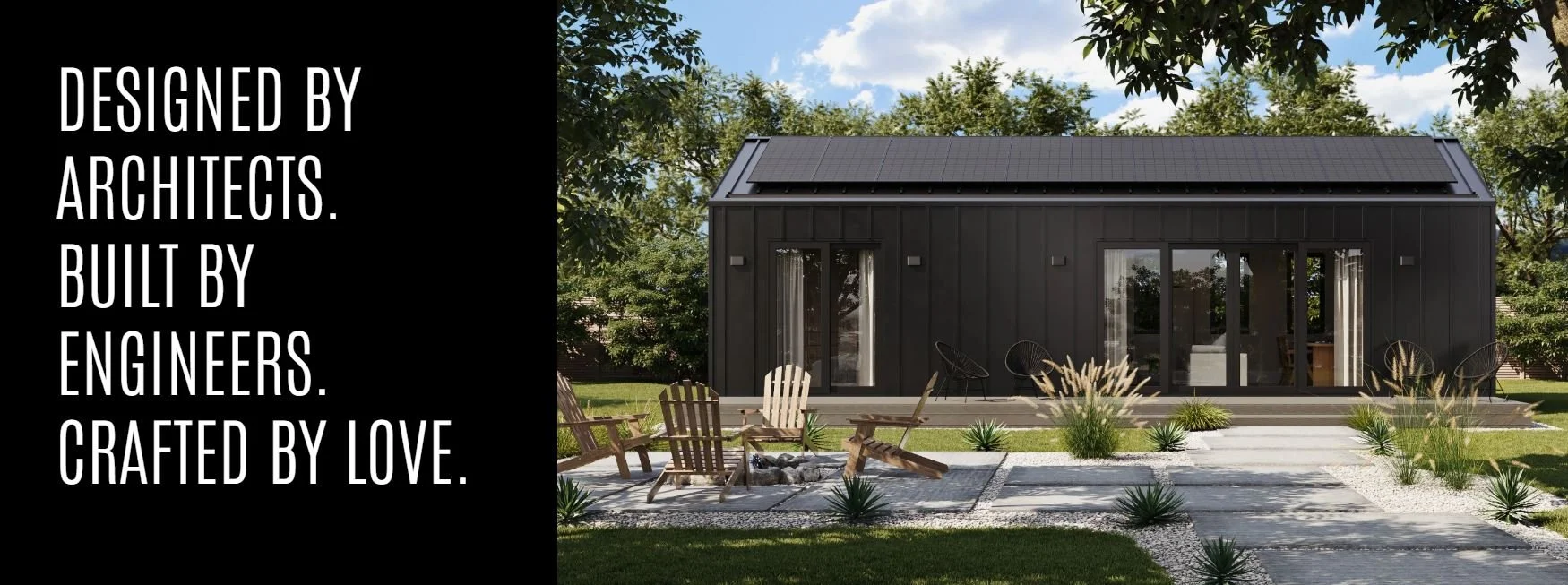
The Seed ADU by MOMO Homes.
Your local planning commission department should have a section in the zoning code about ADUs and if they are allowed, how they are allowed, and list any restrictions such as how large or small they can be, and if they require any additional parking.
One thing to keep in mind is the site plan requirements when submitting for permits (If you hire a permit specialist or the ADU Builder knows about this and is handling this for you, they should already know this) the site plan must be accurate, to scale, and include all the relevant and needed information for review. Again the local planning department should have a resource on their webpage as to what is required for the site plan.
In some cases the zoning will allow for more than one ADU on your lot, which is great news! You can add more units for a larger equity gain and greater cash flow, or you can rent one out and use the other for a family member in need.
But what if your lot, with the required setbacks, can’t accommodate the size? Go up my friend, go up. Building a two story ADU, with the second story unit having an external stair case for access, could be your answer. If yes, you may want to consider asking the building what it would take to build the ceiling/floor slightly thicker with better sound dampening material and what that would cost extra, if anything.
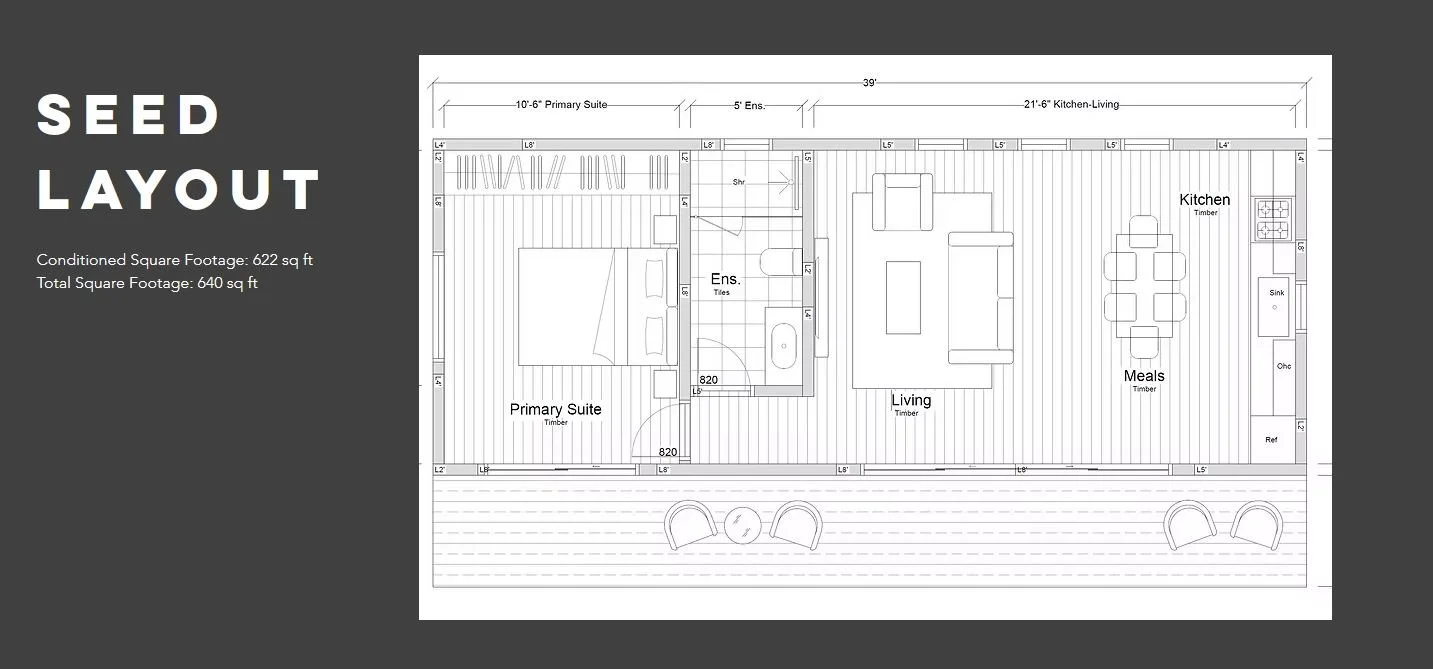
The Seed ADU Floor plan.
How much can they cost? There are many variables that go into this, including tariffs, access to building materials and goods, and labor. On average an online search shows about $200 - $350 per sq ft to build, plus your permit fees, drawing fees for building designs and site plans, plus any fees from the utilities and power departments to hook up. Also, if you are near a critical area, stream or shoreline, the planning department may require additional environmental reports submitted to demonstrate it meets those sections of the local code, and those reports will need to be done by a qualified licensed professional which will also cost money.
You may consider choosing a more modern, complete option like something from the MOMO Homes ADU line which includes complete solid wood cabinets with soft close hinges, quartz countertops and backsplashes, brushed nickel finishes, and Bosch and LG appliances. Also included in the price is a stamped site plan for permit application, which equates to thousands of savings. These models also install faster than a traditional build, which is great because we all know time is money.
A online search shows that adding an ADU can increase equity by 30%-50%, will generate cash flow (if being rented out), and in most cases adds up to 200% value when it comes time to sell the property. Although check with your local laws, some places now allow for the selling of an ADU separate from the main home if the ADU has been condo-ized.
An ADU is a great addition to you property and financial security. Personally, I would not hesitate to add one, and add one (or more if allowed) as soon as I was able to to take advantage of the equity and cash flow.
The ADU Revolution: Taking Back What’s Ours
They told us to work hard, buy a home, raise a family, and live the dream. But while we were grinding away, they were rewriting the rules. Hedge funds, foreign investors, and mega corporations swooped in and bought the homes right out from under our noses. And they want to do it again!
Look around, entire neighborhoods turned into rental portfolios for Wall Street. The same people who crashed the housing market in 2008 are now buying the recovery. They want to own it all.
And you think they’re doing it because they care about “affordable housing”? Please. They care about control. Control of where you live, how much you pay, and how much you struggle to keep up.
But here’s the part they didn’t see coming: we’re fighting back…one backyard at a time.
They Control the Streets. We Control the Backyards.
You can’t outspend a hedge fund. You can’t out-lobby a billionaire. But you can outsmart them.
Accessory Dwelling Units — ADUs — are the revolution they didn’t anticipate. The zoning laws are changing. Cities and states are saying, “Yes, you can build.”
And when you do, you’re not just adding a guest house, you’re building power and protection.
An ADU means rental income that stays local, wealth that stays in your family, and homes that serve people instead of portfolios. It means your kid can afford to move out and stay close. It means aging parents can live independently but nearby. It means your backyard becomes your fortress of freedom in a system that wants you dependent and priced out.
Follow the Money, Then Take It Back
Here’s the dirty secret they don’t want you to know:
Over 30% of all home purchases in major U.S. markets are made by institutional investors. Foreign buyers are buying up property faster than first-time home buyers. And average wages? Flat lined for decades.
You see the pattern. They tighten their grip while they tell us it’s “just the market.”
But “the market” isn’t natural, it’s engineered.
The average homeowner doesn’t stand a chance in that game unless you play smarter. ADUs are how we play smarter.
You can’t control the Fed.
You can’t control Wall Street.
But you can control your backyard.
An ADU turns one income stream into two, or more if your zone allows for multiple ADUs!
One opportunity into a small legacy.
It’s the classic loophole completely legal, beautifully local, and impossible for them to monopolize.
This Is About More Than Money
Let’s be real for a moment, this is about more than just economics. This is about dignity.
About not being forced to sell the home your parents built because property taxes exploded. About not watching your kids move three states away just to find something affordable.
We’re tired of begging the system for scraps. We’re done waiting for politicians to “fix housing.”
The fix is already here, it’s sitting behind your house, waiting to be built. The humble but mighty ADU.
The ADU Revolution Is Now!
While they’re trying to build luxury towers and corporate compounds, you can be building resilience.
While they lobby for tax loopholes, you can be creating real community wealth.
While they hoard, you can build and share, with family, with neighbors, with people who deserve a chance.
And the time to act is now! You mush be fast, decisive, and smart. The tools are here. The laws are changing. This opportunity won’t last forever.
Don’t wait for permission from the same people who profit off your dependence.
Protect yourself. Protect your family. Protect your community.
Because clearly, they’re not interested in doing that anymore.
This isn’t just construction, it’s real estate war, join the ADU revolution.
They control the streets.
We control the backyards.
Arm yourself with ADUs. Join the movement. Build your freedom.
#HackYardGoldRush #ADUResistance #ADURevolution
Why Every Bay Area Engineer Needs an ADU in Their Investment Stack
You’ve built systems that scale, debugged code at 2 a.m., and optimized pipelines until your brain melted — but your money? It’s still trapped in the same volatile markets as everyone else’s. The stock market doesn’t care about your logic, your sprint velocity, or your perfect commit history. It’s chaos dressed in a hoodie.

An ADU — Accessory Dwelling Unit — is the missing line of code in your financial architecture. A physical, income-generating node that compounds over time instead of disappearing into algorithmic smoke. MOMO Homes has cracked the formula: high-quality panelized builds that go up fast, stay strong, and start earning faster than traditional builds or conversions. They’re engineered, not improvised.

Think of it as the real-world version of passive income: you deploy once, maintain occasionally, and watch your investment pay dividends in rent and appreciation. In a region where housing is a blood sport, owning an ADU isn’t just smart — it’s a necessity for a best approach wealth portfolio.
It’s time to move part of your portfolio from the cloud to the ground.
Visit www.theaduwizard.com to see options available, and contact me for details and current pricing.
Why Smart Contractors Are Ditching Big Builds for Fast, Modular ADUs That Pay in Weeks
For years, contractors have been chained to the same grind — giant builds, endless delays, clients breathing down their necks while inspectors shuffle paper like medieval monks. Every project a gamble, every payout months away. But a quiet revolution is spreading through California’s backyards, and the contractors who spotted it early are already cashing in. It’s not condos or high-rises. It’s ADUs — panelized, precision-built homes that install faster than most people can finish a kitchen remodel.
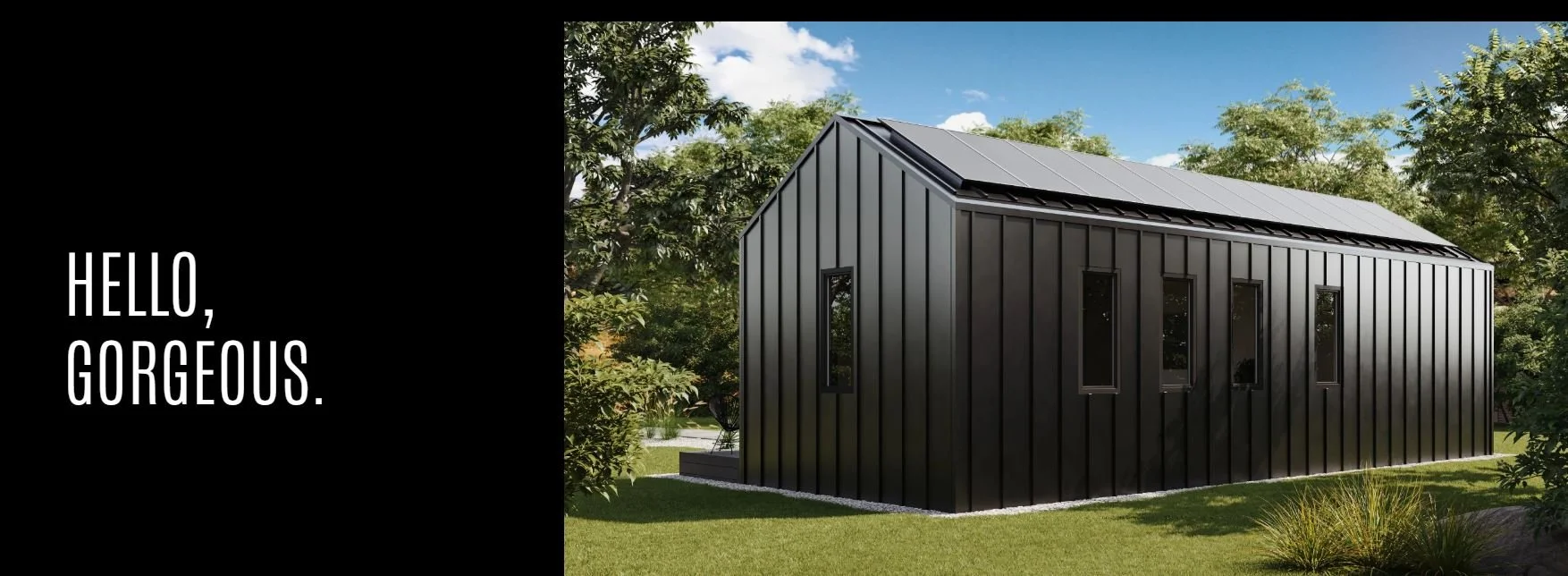
Traditional construction feels prehistoric next to the new modular process. MOMO Homes’ ADUs, for instance, arrive pre-engineered, panelized, and ready to assemble in days instead of months, and with less labor! There’s no waiting for subcontractors to show, no fighting the supply chain apocalypse, and no praying the weather holds out. Every detail is handled off-site, so by the time the unit hits the foundation, half the job is already done. For builders used to juggling chaos, that’s not innovation — it’s liberation.
And then there’s the money. While most big builds take half a year or more before a dime clears, these modular ADUs can be producing rental income within 6 months. The margins are good, the turnaround is quick, and the client satisfaction rate blows traditional projects out of the water. That’s why so many contractors are pivoting — not out of nostalgia, but survival instinct.
The market’s only getting hotter. California’s housing shortage isn’t a problem — it’s an invitation and golden opportunity! Homeowners are hungry for ways to turn their property into income, and cities are finally cutting through red tape to make ADUs easier than ever to build. The contractors who position themselves now — those who can say, “Yeah, we offer MOMO ADUs” — will own the next decade of small-scale development. The rest will still be buried in paperwork, wondering where the money went.
For the builders paying attention, this isn’t about chasing trends. It’s about adapting before everyone else wakes up. Big builds will always have their place, but smart contractors know the game has changed. Panelized ADUs are faster, cleaner, and profitable — and they’re not the future. They’re right now.
Visit www.theaduwizard.com and see why the smartest players in the Bay Area are already on board. Contact me for pricing information and more details.