Return On Investment Calculation: How Much Can You Reap from an ADU?
You've seen the headlines: housing costs are soaring, rental demand is at record highs, and property values keep climbing. If you're a homeowner with some backyard space, you're sitting on a potential goldmine, and it's called an Accessory Dwelling Unit (ADU) (although it is referred to as DADU, granny flat, casita, garden suite, secondary suite, and other name also).
But before you start dreaming about that extra monthly income or increased property value, you need to understand the numbers. How much will it really cost? How long until you break even? What kind of return can you actually expect?
Let's break down the ROI calculation so you can make an informed decision about whether an ADU makes financial sense for your property.

The Simple ADU ROI Formula
Here's the basic equation you need to calculate your potential return on investment:
Annual ROI = [(Annual Rental Income + Property Value Increase) - Total Investment Cost] ÷ Total Investment Cost × 100%Don't worry, we'll walk through each component step-by-step.
Step 1: Calculate Your Total Investment Cost
First, you need to know what you're spending. ADU construction costs vary dramatically by region, size, and type.
National Average Construction Costs (2025)
By Type:
Garage Conversion: $100,000 - $200,000 (most affordable)
Attached ADU: $150,000 - $300,000
Detached ADU: $200,000 - $500,000+ (most expensive but highest returns)
By Region (per square foot):
California (Bay Area, LA): $300 - $600/sq ft
Pacific Northwest (Seattle, Portland): $300 - $500/sq ft
Southern California (San Diego): $375 - $600/sq ft
Texas: $100 - $250/sq ft
Moderate-Cost States: $150 - $300/sq ft
Example Calculation: Let's say you're building a 600 sq ft detached ADU in Los Angeles at $400/sq ft:
Construction: 600 × $400 = $240,000
Design & Permits: $15,000 - $25,000
Site Prep & Utilities: $20,000 - $40,000
Total Investment: $275,000 - $305,000
Step 2: Estimate Your Annual Rental Income
This is where ADUs really shine. Rental demand for ADUs is incredibly strong, especially in urban and suburban markets.
National Average Monthly Rental Rates
By Size:
Studio ADU (400-500 sq ft): $1,200 - $2,500/month
1-Bedroom ADU (600-800 sq ft): $1,500 - $3,000/month
2-Bedroom ADU (800-1,200 sq ft): $2,000 - $4,000/month
By Major Market:
Los Angeles: $2,000 - $4,000/month (higher in Venice, Santa Monica, Studio City)
San Diego: $2,000 - $3,500/month
San Francisco Bay Area: $2,500 - $4,500/month
Seattle/Portland: $1,800 - $3,200/month
Phoenix: $1,500 - $2,500/month
Texas Markets: $1,200 - $2,200/month
Important Note: According to HUD data, ADUs typically command 70-85% of the per-square-foot rental rate of similar-sized apartments in the same area.
Example Calculation: Your 600 sq ft ADU in Los Angeles could realistically rent for $2,400/month:
Annual Rental Income: $2,400 × 12 = $28,800
Don't forget to factor in vacancy (typically 5%) and operating expenses (maintenance, insurance, property management):
Vacancy & Operating Expenses: ~$2,400/year (10% of annual rent)
Net Annual Rental Income: $26,400
Step 3: Calculate Property Value Increase
ADUs don't just generate rental income, they dramatically increase your property's market value.
Average Property Value Increases
According to recent real estate data:
Typical increase: 20-30% of property value
High-demand urban markets: 30-35% increase
Dollar amounts: $200,000 - $500,000 in major California markets
The NAHB reports that ADUs typically return 70-80% of their construction cost in immediate property value increase.
Example Calculation: If your home is currently worth $700,000 and you add a quality ADU:
Conservative estimate: $700,000 × 25% = $175,000 increase
Optimistic estimate: $700,000 × 30% = $210,000 increase
Step 4: Calculate Your Break-Even Timeline
Now let's figure out how long until your ADU pays for itself through rental income alone.
Simple Break-Even Formula:
Break-Even Years = Total Investment Cost ÷ Net Annual Rental IncomeExample:
Total Investment: $290,000
Net Annual Rental Income: $26,400
Break-Even: $290,000 ÷ $26,400 = 11 years
Typical Break-Even Timelines:
Best-case scenario (high-rent markets): 5-7 years
Average scenario: 7-10 years
Conservative scenario: 10-15 years
Important: This doesn't account for the immediate property value increase. If you factor in the $175,000-$210,000 equity gain, you're already ahead from day one!
The Complete ROI Calculation Example
Let's put it all together with a real-world scenario:
Your 600 sq ft Detached ADU in Los Angeles:
Initial Investment:
Construction & Costs: $290,000
Year 1 Returns:
Net Rental Income: $26,400
Property Value Increase: $190,000
Total First-Year Gain: $216,400
ROI Calculation:
ROI = ($216,400 - $290,000) ÷ $290,000 × 100% = -25% (Year 1)Wait—negative ROI? Not quite. Remember, the property value increase isn't cash in hand immediately, but it's real equity you can access through refinancing or selling.
If we look at rental income alone:
Annual Cash-on-Cash Return = $26,400 ÷ $290,000 × 100% = 9.1%Over 10 Years:
Total Rental Income: $264,000
Property Appreciation (assuming 3% annual growth): Additional $60,000+
Total Return: $324,000+ on $290,000 investment = 112% ROI
Quick Reference: Your ADU ROI Calculator
Use this simple worksheet to calculate your own potential ROI:
COSTS:
Construction Cost (size × cost per sq ft): $___________
Design & Permits ($15,000-$25,000): $___________
Site Prep & Utilities ($20,000-$40,000): $___________
TOTAL INVESTMENT: $___________
INCOME:
Monthly Rental Rate (research local comps): $___________
Annual Rental Income (Line 5 × 12): $___________
Minus Vacancy & Expenses (10%): -$___________
NET ANNUAL RENTAL INCOME: $___________
VALUE:
Current Property Value: $___________
Expected Increase (20-30%): $___________
PROPERTY VALUE GAIN: $___________
ROI METRICS:
Break-Even (Line 4 ÷ Line 8): _______ years
Annual Cash Return (Line 8 ÷ Line 4 × 100): _______%
10-Year Total Return (Line 8 × 10 + Line 11): $___________
10-Year ROI ([Line 14 - Line 4] ÷ Line 4 × 100): _______%
Real-World Success: What Returns Are People Actually Getting?
According to recent ADU investment studies:
California Markets:
Average annual returns: 8-12% from rental income alone
Long-term appreciation: Properties with ADUs appreciate 9.3% annually vs. 7.7% for properties without ADUs
Typical ROI: 50-100%+ over 10 years
Pacific Northwest:
Break-even timeline: 7-12 years
Annual cash-on-cash returns: 8-12%
Property value increase: $200,000-$350,000
Texas & Moderate-Cost Markets:
Lower construction costs ($100,000-$200,000) mean faster break-even
Break-even timeline: 5-8 years
Annual returns: 10-15%
Factors That Maximize Your ADU ROI
Want to boost your returns? Focus on these high-impact factors:
1. Location, Location, Location
ADUs near universities, employment centers, public transit, or popular neighborhoods command premium rents. A unit near UCLA or Stanford might rent for 50-75% more than one in a suburban area.
2. Design & Amenities
Features that justify higher rents:
In-unit washer/dryer
Modern appliances (Bosch, LG)
Outdoor space (patio or small yard)
High-quality finishes (quartz counters, hardwood floors)
Energy-efficient features (solar-ready, efficient HVAC)
3. Size Sweet Spot
According to rental data, 600-800 sq ft ADUs offer the best rent-to-construction-cost ratio. Larger isn't always better for ROI.
4. Speed to Market
Every month your ADU sits empty is lost rental income. MOMO by LuxMod's panelized system gets you to market in 8 months vs. 12-18 months for traditional construction—that's 4-10 months of additional rental income!
Important Disclaimers & Considerations
Before you break ground, remember:
Costs Vary Significantly
Construction costs in San Francisco can be 2-3x higher than in Sacramento
Labor shortages and material costs can cause unexpected increases
Your specific lot conditions (slope, utilities, soil) impact costs dramatically
Rental Income Isn't Guaranteed
Local rental markets fluctuate
Vacancy rates vary by season and location
Property management and maintenance eat into profits
Some markets restrict short-term rentals
Financing Considerations
Construction loans typically have higher interest rates
Cash-out refinances may be limited by home equity
Rising interest rates affect your financing costs
Check Local Regulations
Zoning laws vary by city and county
Some areas require owner-occupancy (you must live in either the main house or ADU)
Permit costs range from $5,000-$25,000+ depending on location
Short-term rental restrictions may limit Airbnb income
Tax Implications
Rental income is taxable
You can deduct mortgage interest, property taxes, repairs, insurance, and depreciation
Consult a tax professional for your specific situation
The Bottom Line: Is an ADU Worth It?
For most homeowners in high-demand markets, the answer is yes, if you're looking at this as a long-term investment.
ADUs Make Financial Sense If:
You plan to own the property for at least 5-7 years
Your local rental market is strong (vacancy under 5%)
You can afford the upfront investment (or secure favorable financing)
You're comfortable being a landlord or hiring property management
Your property qualifies under local zoning laws
The Numbers Don't Lie:
8-12% annual returns in strong rental markets
20-30% immediate property value increase
Break-even in 5-15 years through rental income
Properties with ADUs appreciate faster than those without
Potential for 100%+ ROI over 10-15 years
ADUs offer one of the best risk-adjusted returns available in residential real estate today. Unlike stocks or bonds, you're creating tangible value (increased square footage), generating income (rental payments), and benefiting from appreciation (real estate growth)—all while maintaining control of your investment.
Next Steps: Turn Your ROI Calculation Into Reality
Ready to move forward? Here's your action plan:
Week 1-2: Research
Check your local zoning laws and ADU regulations
Get 2-3 rental comps for your neighborhood (Zillow, Apartments.com)
Research local ADU builders and get rough estimates
Week 3-4: Planning
Use the ROI calculator above with your actual numbers
Explore financing options (HELOC, construction loan, cash-out refi)
Contact MOMO by LuxMod for a detailed quote and timeline
Month 2: Decision
Compare your potential ROI to other investment options
Consider your personal timeline and goals
If the numbers work, move forward with design and permitting
Why Choose MOMO by LuxMod for Maximum ROI?
When it comes to maximizing your ADU investment, speed and predictability matter:
8-month timeline vs. 12-18 months traditional = Start earning rental income sooner!
Panelized construction = predictable costs = No surprise budget overruns!
Factory-built quality = Lower maintenance, higher tenant satisfaction!
Modern, attractive designs = Command premium rental rates!
Energy-efficient features = Lower operating costs, higher appeal! Comes with Solar option.
All appliances included = Bosch and LG appliances all included in price!
All MOMO by LuxMod models include a stamped site plan for permit application as well, saving time and money.
Every month saved in construction is another month of rental income, potentially $2,000-$3,000 that goes straight to your bottom line.
The Final Word
Building an ADU is one of the smartest real estate moves you can make in 2026. With housing shortages nationwide, rental demand at all-time highs, and property values continuing to climb, the conditions have never been better.
But don't just take our word for it, run your own numbers using the calculation above.
Factor in your local construction costs, research your rental market, understand your financing options, and calculate your potential returns. When you do the math honestly, you'll likely discover what thousands of homeowners already have: An ADU isn't just an investment in your property, it's an investment in your financial future.
Ready to Calculate Your Specific ROI?
Get a free, personalized quote from MOMO by LuxMod and see exactly what your ADU could return.
Legal Disclaimer: The figures, projections, and examples provided in this article are for informational and educational purposes only. Actual construction costs, rental income, property value increases, and investment returns will vary based on numerous factors including location, market conditions, property characteristics, construction choices, financing terms, and economic conditions. This article does not constitute financial, legal, or tax advice. Costs can vary significantly by region, what's accurate in Los Angeles may not apply in Phoenix or Seattle. Rental income is not guaranteed and depends on local market conditions, vacancy rates, and tenant quality. Always consult with local builders, real estate professionals, financial advisors, tax professionals, and legal experts before making any investment decisions. Past performance and typical returns do not guarantee future results. The author and MOMO by LuxMod make no warranties or representations regarding the accuracy or completeness of this information and accept no liability for decisions made based on this content.
How Blackstone Can Revolutionize Affordable Housing While Boosting Revenue with ADUs

Leading the Great Housing Reset with Institutional-Scale Innovation
As America enters what Redfin has dubbed "The Great Housing Reset", a multi-year period of gradual housing market normalization, institutional landlords have an unprecedented opportunity to reshape their role in the housing ecosystem. With policymakers across party lines introducing measures to alleviate the housing affordability crisis, including zoning changes to make it easier to build ADUs, the timing has never been better for large-scale ADU deployment.
The Untapped Goldmine in Blackstone's Portfolio

Blackstone, the world's largest institutional landlord with approximately 62,000 single-family rental homes, sits on a massive untapped opportunity. By strategically adding Accessory Dwelling Units (ADUs) to eligible properties, Blackstone could dramatically increase revenue, reduce per-unit rent to become housing heroes, and address America's affordable housing crisis while improving their bottom line.
The Numbers Tell a Compelling Story
Blackstone's Top Five Markets
According to recent data, Blackstone's single-family portfolio is concentrated in five key markets following the Tricon Residential acquisition:
Atlanta: 11,144 homes.
Dallas: 5,172 homes.
Charlotte: 4,710 homes.
Tampa: 3,949 homes.
Phoenix: 3,801 homes.
Total in just their Top 5 Markets: 28,776 homes
The ADU Opportunity by Market
Each of these markets has favorable ADU regulations that could enable Blackstone to transform their portfolio:
Atlanta
Zoning: ADUs permitted in R-4, R-4A, and R-5 zones.
Size: Maximum 750 sq ft.
Rental: Allowed for long-term rentals.
Key Advantage: Established regulations with straightforward permitting process.
Phoenix
Zoning: Two ADUs permitted per single-family lot (potentially three with affordability requirements).
Size: Up to 1,000 sq ft for lots under 10,000 sq ft; up to 3,000 sq ft for larger lots.
Key Advantage: Arizona's HB 2720 mandates ADU allowances statewide, creating a pro-ADU regulatory environment.
Dallas
Zoning: ADUs allowed through Accessory Dwelling Unit Overlay (ADUO) or special exception.
Size: Typically up to 950 sq ft.
Status: Growing acceptance with neighborhood-driven overlay process.
Charlotte
Zoning: ADUs permitted in single-family residential zones.
Size: Maximum 800 sq ft (cannot exceed 50% of primary dwelling).
Key Advantage: Recent North Carolina Senate Bill 495 requires municipalities to allow ADUs.
Tampa
Zoning: ADUs allowed in specific overlays (Seminole Heights, Tampa Heights, East Tampa).
Size: Maximum 950 sq ft.
Note: More restrictive than other markets but expanding.
Conservative Estimate: The 50% Scenario
Let's be conservative and assume only 50% of Blackstone's properties in these top markets are eligible for ADUs due to lot size, zoning restrictions, and other factors:
Eligible Properties: 14,388 homes
The Financial Case: Dropping Rent 25% While Increasing Revenue
Current Revenue Model (Hypothetical Example)
Average single-family rent: $2,000/month.
Total monthly revenue from 14,388 homes: $28,776,000.
The ADU Model with Reduced Rents
Scenario: Add one ADU per eligible property, reduce rent on BOTH units to 75% of current market rate
Primary home at 75% rent: $1,500/month.
ADU at 75% rent: $1,500/month.
Combined monthly rent per property: $3,000.
Total monthly revenue from 14,388 dual-unit properties: $43,164,000.
Monthly revenue increase: $14,388,000 (50% increase)
Annual revenue increase: $172,656,000
The Math That Makes Blackstone Housing Heroes
By charging 75% of current market rates on both the primary home and the ADU, Blackstone would:
Increase door count by 14,388 units - directly addressing housing shortage.
Generate 50% more revenue from the same properties.
Create genuinely affordable housing at 25% below market rates.
Improve brand reputation as a solution to housing affordability.
Increase property values through added square footage and rental potential.
Why MOMO by LuxMod ADUs Are the Perfect Solution
Speed to Market
Traditional ADU construction can take 8-12 months. MOMO by LuxMod's panelized approach can be installed in weeks, meaning faster time to revenue generation, critical during the Great Housing Reset when first movers will capture market advantages.
Standardization at Scale
With 14,388+ potential units, Blackstone needs a standardized solution aligned with new federal guidelines. MOMO offers:
Designs to streamline permitting (aligned with the Housing for the 21st Century Act's pattern book provisions).
Consistent quality across all markets.
Predictable costs for accurate ROI modeling.
Efficient installation across multiple properties simultaneously.
Compliance with HUD best practice frameworks as they emerge.
Modern Design Meets Market Demand
MOMO ADUs aren't just functional, they're attractive, sustainable living spaces that appeal to today's renters seeking affordable, well-designed homes during a period of limited inventory.
Federal Funding Opportunities
The Housing for the 21st Century Act's Accelerating Home Building Grant Program could provide municipalities with funding to support ADU deployment. MOMO by LuxMod’s designs position Blackstone to benefit from these grants in partnership with local governments.
Bulk Pricing Advantage
At scale, a partnership with Blackstone could unlock unprecedented volume pricing, further improving the ROI on each unit.
Beyond Revenue: Strategic Advantages
Alignment with Federal Housing Priorities
The recently passed Housing for the 21st Century Act, approved by the House Financial Services Committee in December 2025 with overwhelming bipartisan support, includes specific provisions that make Blackstone's ADU strategy even more compelling:
Accelerating Home Building Grant Program: The Act provides grants to local governments to implement pre-reviewed housing designs, including accessory dwelling units. Blackstone could partner with municipalities to access these grants, reducing deployment costs while supporting local housing goals.
Housing Supply Frameworks: The Act directs HUD to publish best practice guidelines for state and local zoning policies, creating a more favorable regulatory environment for ADU development nationwide.
Streamlined Regulatory Process: By removing duplicative review processes under NEPA and modernizing federal standards, the Act will accelerate permitting timelines, directly benefiting large-scale ADU deployment.
Public Welfare Investment Cap Increase: The Act raises the cap on banks' public welfare investments from 15% to 20%, potentially expanding private capital available for affordable housing development—creating additional financing opportunities for ADU programs.
Addressing the Great Housing Reset
The Great Housing Reset represents a fundamental shift in American housing markets. Rather than waiting for market forces alone to restore affordability, Blackstone can actively shape this reset by:
Creating Supply Where It's Most Needed: Adding 14,388+ units directly addresses the critical housing shortage without requiring new land acquisition or infrastructure development.
Meeting the YIMBY Moment: As the "Yes In My Backyard" movement gains bipartisan momentum, institutional investment in ADUs demonstrates private sector commitment to housing solutions.
Responding to Demographic Shifts: With more Americans living in multigenerational households and roommate arrangements, ADUs provide flexible, affordable housing options that match modern living patterns.
Capturing Political Goodwill: As federal and state policymakers prioritize housing affordability, early movers like Blackstone will be positioned as solution providers rather than obstacles.
Community Impact
By providing below-market rents while increasing their own revenue, Blackstone addresses criticism of institutional investors driving up housing costs. This positions them as part of the solution rather than the problem.
Regulatory Relationships
Many municipalities are actively encouraging ADU development to address housing shortages. Blackstone could become a preferred partner for cities seeking to increase density without new infrastructure.
Asset Value Appreciation
Properties with permitted ADUs typically see 20-35%, sometimes up to 50%, increases in market value, strengthening Blackstone's portfolio value.
Competitive Moat
Being first-to-market with large-scale ADU deployment creates a significant competitive advantage over other institutional landlords.
The Path Forward
Phase 1: Pilot Program (Months 1-6)
Select 100-500 properties in Phoenix (most favorable ADU regulations).
Install MOMO ADUs.
Gather data on rental demand, pricing optimization, and operational considerations.
Phase 2: Market Expansion (Months 7-18)
Roll out to Atlanta and Charlotte (both with favorable regulations).
Refine processes and supply chain.
Target 2,000 units installed.
Phase 3: Full-Scale Deployment (Months 19-36)
Expand to Dallas and Tampa.
Achieve full deployment of 14,388+ ADUs.
Establish Blackstone as the leader in innovative affordable housing solutions.
The Bottom Line
Blackstone has an opportunity to simultaneously:
Increase revenue by 50% ($172+ million annually in top 5 markets alone).
Reduce tenant costs by 25% (becoming affordable housing champions).
Add 14,388+ housing units to markets with critical shortages.
Enhance asset values across their entire portfolio.
Transform public perception from housing challenge to housing solution.
Align with federal housing policy under the Housing for the 21st Century Act.
Lead the Great Housing Reset as an institutional innovator addressing America's affordability crisis.
As federal policymakers unite across party lines to address housing affordability, with legislation specifically encouraging ADU development and streamlined permitting, Blackstone has a rare window to position itself at the forefront of housing innovation. The question isn't whether Blackstone should pursue this opportunity, it's how quickly they can implement it to capitalize on favorable policy momentum and market conditions.
MOMO by LuxMod stands ready as the manufacturing and installation partner that can make this vision a reality at the scale and speed Blackstone requires.
Ready to Transform Your Portfolio?
Contact MOMO by LuxMod to discuss how we can help Blackstone become America's affordable housing hero while driving unprecedented returns.
The future of institutional real estate isn't just about owning more properties, it's about maximizing every square foot to serve shareholders in communities.
The Great Housing Reset: Why MOMO by LuxMod is Your 2026 Solution
The housing market is at a crossroads. After years of skyrocketing prices, frozen inventory, and interest rates that kept millions of Americans locked out of homeownership, experts are predicting that 2026 could mark a pivotal shift. But while the market may be changing, one thing remains clear: traditional housing solutions aren't keeping pace with demand.
That's where MOMO by LuxMod comes in.

Understanding the 2026 Housing Landscape
Recent analysis suggests that 2026 may bring what industry experts are calling "The Great Housing Reset." After home prices climbed nearly 55% nationwide since 2020, the market appears ready for stabilization rather than dramatic decline. Economists predict prices will remain relatively flat, with only modest increases of around 0.5% expected.
However, this doesn't solve the fundamental problem: America needs more homes.
As one housing economist noted, when it comes to homebuilding, we remain significantly behind demand. Traditional construction hasn't kept pace, and regulatory hurdles continue to slow new development. Meanwhile, mortgage rates are expected to hover above 6%, keeping monthly payments elevated for traditional homebuyers.
The Math Doesn't Add Up: Traditional Building Can't Solve This
Here's the uncomfortable truth that the housing industry needs to face: traditional construction methods are fundamentally incapable of closing the housing gap at the pace America needs.
The United States faces a shortage of millions of housing units, yet traditional homebuilding continues to rely on methods that are:
Labor-intensive in an era of skilled labor shortages.
Time-consuming with typical construction timelines of 8-12 months or more.
Weather-dependent causing delays and cost overruns.
Regulation-heavy requiring extensive permitting and inspections at every phase.
Site-specific meaning each build essentially starts from scratch.
Capital-intensive requiring massive upfront investment before any units are completed.
Even with proposed regulatory reforms, traditional builders simply cannot scale fast enough. The construction industry would need to roughly double its current output, and sustain that pace for years, just to meet demand. With labor shortages and supply chain constraints, this isn't just difficult; it's mathematically implausible.
The MOMO by LuxMod Advantage: Built for Scale
This is precisely why panlized home systems like MOMO by LuxMod represent not just an alternative, but the only viable solution for builders and developers serious about capturing market share in 2026 and beyond.
For Builders: The Competitive Edge You Need
Smart builders and developers are recognizing that the competitive landscape is shifting. Those who adopt systems like MOMO by LuxMod will dominate the next decade of housing development for several compelling reasons:
Speed to Market
While traditional builders are still framing walls on-site, MOMO units are being precision-manufactured in controlled factory environments. This means:
50-70% faster completion times.
Multiple units in production simultaneously.
Projects completed in weeks, not months.
Faster return on investment and capital recycling.
Predictable Costs and Timelines
In an environment where construction cost overruns are standard, MOMO by LuxMod offers what builders desperately need: certainty. Factory construction means:
Reliable delivery schedules you can actually promise to clients.
Reduced carrying costs on land and financing.
Better margin protection and profitability forecasting.
Labor Efficiency
The skilled trades shortage isn't going away. MOMO by LuxMod transforms this challenge into an advantage:
Factory workers are easier to train and retain than site-based trades.
One production facility replaces dozens of job sites requiring skilled labor.
Consistent quality without dependence on individual contractor expertise.
Scalability without the linear need for proportional workforce growth.
Superior Quality Control
When every unit is built in a controlled environment with systematic quality checks, the result is:
Fewer callbacks and warranty issues.
Enhanced reputation and referrals.
Compliance with building codes built into the manufacturing process.
Reduced liability and risk exposure.
The First-Mover Advantage
The builders and developers who adopt the MOMO by LuxMod system now will establish market dominance before the competition catches up. Here's why:
1. Brand Differentiation
You'll be delivering completed homes in a fraction of that time that other traditional builders can. In a market desperate for inventory, speed is the ultimate differentiator, and with MOMO by LuxMod, you have the speed.
2. Volume Capacity
Traditional builders hit capacity constraints quickly, there are only so many job sites you can manage simultaneously. With MOMO's Panelized approach, your production capacity scales dramatically without proportional increases in management complexity.
3. Market Flexibility & Multiple Revenue Streams
Economic uncertainty ahead?
The MOMO system isn't just for single-family homes or tiny homes. Smart developers are using it for:
ADU additions on existing properties.
Multi-unit residential developments (Mo Town Town Home Model)
Affordable housing projects (where speed and cost efficiency unlock government contracts).
Mixed-use developments requiring quick vertical construction.
Large subdivision projects that will go up faster which means gets to market faster.
The Competitive Landscape is Shifting Now
Make no mistake: the transition to Panelized, systematic construction isn't a future trend, it's happening right now. The question for builders and developers isn't whether to adopt these methods, but whether you'll be an early adopter who captures market share or a late follower scrambling to catch up.
Consider this: in five years, when Panelized construction is standard practice, the builders who adopted MOMO by LuxMod in 2026 will have:
Established supply chain relationships
Refined processes and operational efficiency.
Brand recognition as innovation leaders.
A portfolio of completed projects demonstrating capability.
Trained teams with years of system experience.
Meanwhile, traditional builders will be fighting for survival in a market that demands speed and efficiency they cannot deliver.
The ADU Advantage: A Smarter Path for Property Owners
For individual property owners, Accessory Dwelling Units using MOMO by LuxMod represent the optimal solution for 2026 and beyond.
Why MOMO by LuxMod Solves Today's Housing Crisis
1. Immediate Inventory Creation
While the Trump administration has promised housing reform focused on regulatory streamlining, the reality is that meaningful federal policy changes take time. MOMO by LuxMod offers an immediate solution. By converting existing properties into multi-unit dwellings through ADU construction, homeowners can increase housing supply right now, without waiting for policy changes or massive developments.
2. Affordability Through Innovation
With rent prices expected to rise 2-3% in 2026 due to sustained rental demand and fewer new apartment complexes, the rental market remains tight. MOMO's panelized, efficient designs create affordable housing options faster and more cost-effectively than traditional construction. This means:
Lower construction costs for property owners.
More affordable rental options for tenants.
Faster path to generating rental income.
3. Maximizing Existing Land
The article highlights that reduced inventory has been a critical problem, with many homeowners reluctant to sell due to low mortgage rates locked in years ago. MOMO by LuxMod provides a solution that doesn't require anyone to move. Property owners can:
Add value to their existing property.
Create passive income streams through rental ADUs.
Increase housing density without requiring new land development.
The Income Opportunity in 2026
With mortgage rates staying elevated and home prices remaining high, many Americans will continue renting by necessity rather than choice. This creates a robust rental market for ADU owners. A MOMO by LuxMod ADU offers:
Consistent rental income to offset your primary mortgage or build wealth.
Flexible use as a guest house, home office, or multi-generational living space.
Property value appreciation through strategic square footage additions.
Tax benefits available to rental property owners (Check with your local tax pro)
Better Than Waiting for Reform
The article makes clear that while housing reform is promised, the timeline and impact remain uncertain. Federal policy analyst notes suggest there are limits on what can be accomplished in 2026. Rather than waiting for top-down solutions that may take years to materialize, MOMO by LuxMod empowers property owners to take action now.
The Bottom Line
The 2026 housing market will likely see:
Relatively flat home prices.
Mortgage rates remaining above 6%.
Rising rental demand and prices.
Limited new housing inventory from traditional construction.
In this environment, MOMO by LuxMod's ADU models aren't just a good option, they're the strategic choice for homeowners looking to:
Build wealth through rental income.
Solve the housing shortage at a local level.
Create affordable housing options in their community.
Future-proof their property value.
The "Great Housing Reset" isn't about waiting for prices to crash or regulations to change. It's about smart property owners, developers and builders recognizing that the future of housing is flexible, efficient, and community-based.
That future is MOMO by LuxMod.
Ready to be part of the solution while building your financial future? Contact MOMO by LuxMod today to explore how an ADU can transform your property and help address the housing challenges of 2026 and beyond.
The housing market is resetting. Make sure you're positioned to benefit.
Why ADUs and STRs Are Still a Winning Investment Strategy for 2026
The short-term rental market is evolving, and smart investors are adapting their strategies. While traditional vacation rental markets face increased competition and regulatory scrutiny, a strategic opportunity remains strong: combining new construction accessory dwelling units (ADUs) with short-term rentals in markets where regulations allow it. With innovative solutions like MOMO by LuxMod's modern panelized ADUs, property owners can capitalize on this lucrative intersection of real estate investment in 2026 and beyond.
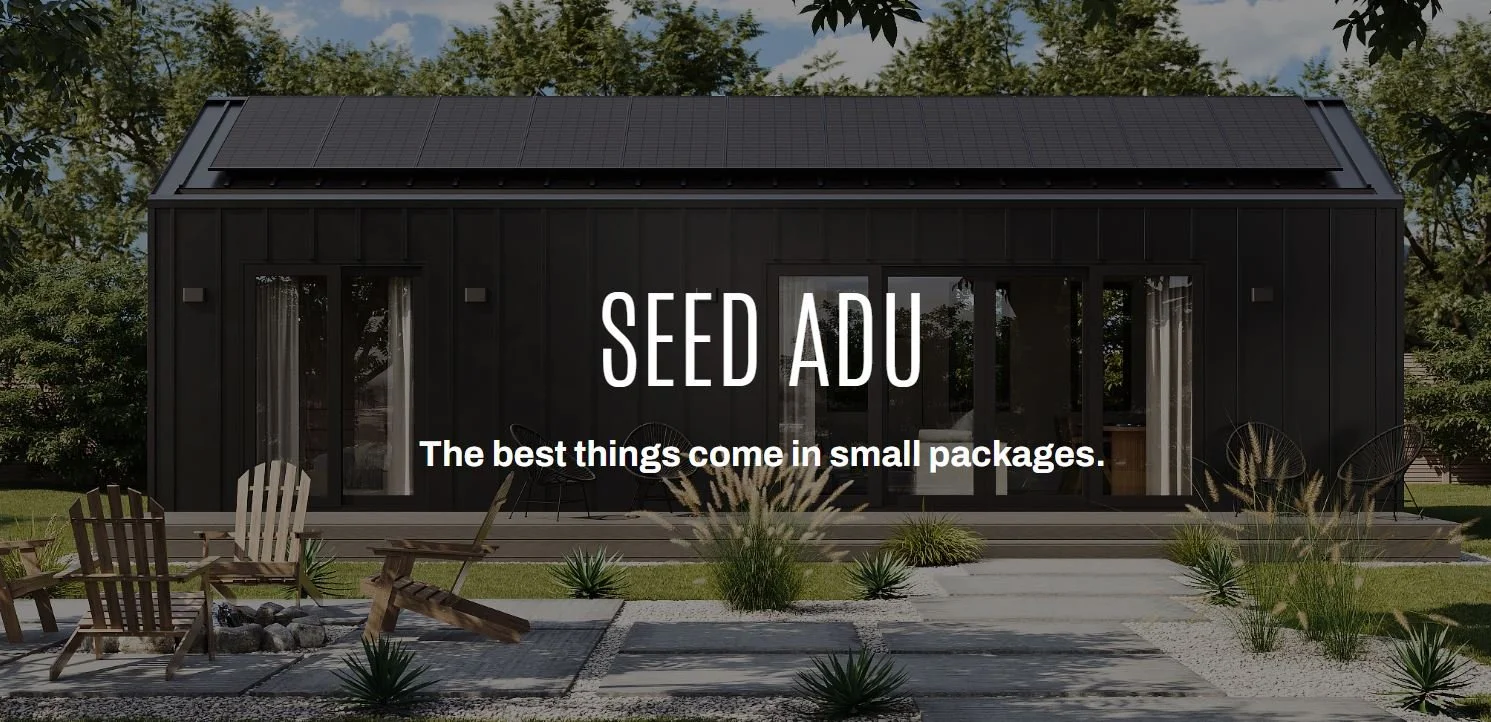
Umbra ADU Model.
The STR Market Reality: Not Dead, Just Different
Despite headlines suggesting otherwise, the short-term rental sector remains robust in specific markets. Industry forecasts indicate 2026 will be one of the best years to invest in STRs since 2021, driven by slowing supply growth, strengthening pricing power, and major demand drivers like the 2026 FIFA World Cup.
The key difference? Success now requires strategic market selection and professional execution. The days of passive income from any property listed on Airbnb are over, but well positioned STRs in the right locations continue to deliver impressive returns.
Where ADUs Can Legally Generate STR Income
CRITICAL: Always verify current local regulations before investing. Short-term rental laws change frequently and vary significantly by jurisdiction. The markets listed below have historically allowed or shown openness to STR use of ADUs, but you must confirm current rules with local authorities.
High-Opportunity Markets for ADU Short-Term Rentals
Florida Markets: Florida's state law prohibits municipalities from banning short-term rentals outright, creating opportunities across the state. Cities like Kissimmee (near Disney World), Panama City Beach, Daytona Beach, Destin, and Fort Myers Beach have embraced vacation rentals with minimal restrictions. However, note that some Florida cities impose ADU-specific restrictions on short-term use, so due diligence is essential.
Texas Markets: In Texas, where there's no statewide ADU legislation, local control determines what's permissible. Cities like Austin and Houston have shown openness to ADU development, though some municipalities limit STR rentals to 30+ days. Unincorporated areas in counties like Matagorda and Jim Wells offer more flexibility, as county-level oversight of ADUs is often limited.
Arizona Markets: State law prevents Arizona municipalities from outright banning short-term rentals, though reasonable safety and insurance regulations apply. Phoenix and Scottsdale have become STR hotbeds, and ADUs can be leveraged for vacation rental income in many jurisdictions.
Tennessee Markets: Tourist-heavy cities like Nashville and Memphis offer relatively straightforward paths for STR operators, with city-specific ordinances that include permit requirements but generally allow the practice. Tennessee's strong tourism economy makes it an attractive market for ADU short-term rentals.
Select California Markets: While California has tightened ADU short-term rental restrictions in many areas, opportunities remain. Cities like San Jose allow STRs with proper registration, and La Mesa has minimal restrictions for ADU listings on Airbnb. Los Angeles permits short-term rentals of ADUs at primary residences with proper home-sharing registration. Always verify current city ordinances, as California's regulatory landscape changes frequently.
Massachusetts Select Municipalities: Under the state's new ADU law effective February 2025, municipalities can choose whether to permit short-term rentals of ADUs. Some communities, like certain areas in Westhampton, explicitly allow STRs with proper permitting. Research your specific municipality's stance.
Other Emerging Markets: Oregon, Washington, and other states with progressive ADU legislation may offer STR opportunities depending on local ordinances. Smaller college towns like Fayetteville, Arkansas, and Gainesville, Florida, have welcomed ADUs with flexible regulations.
Why MOMO by LuxMod ADUs Are Perfect for the STR Market
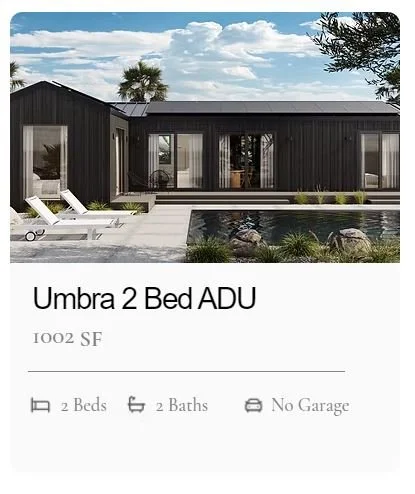
Umbra 2 Bed ADU model.
MOMO by LuxMod brings a revolutionary approach to ADU construction that aligns perfectly with the demands of the modern short-term rental market. Their panelized home kit system delivers the quality, speed, and design sophistication that STR investors need to compete in 2026.
Premium Features That Command Premium Rates
Modern Design Aesthetic: MOMO ADUs feature contemporary architecture with luxury finishes that photograph beautifully and attract high-paying guests. In the STR market, visual appeal directly translates to booking rates and nightly pricing power.
Smart Home Integration: Built-in smart technology enhances the guest experience while providing hosts with remote management capabilities. Smart locks, climate control, and security features are standard expectations for today's STR guests.
Energy Efficiency: Sustainable construction and energy-efficient systems reduce operating costs while appealing to environmentally conscious travelers, a growing segment willing to pay premium rates.
Customization Options: Tailor your MOMO ADU to match your target market, whether that's luxury couples retreats, family-friendly accommodations, or professional business travelers.
Speed to Market Advantage
In the STR business, time is money. MOMO's panelized construction system dramatically reduces build time compared to traditional stick-built construction. Factory fabrication means weather delays are eliminated, and your ADU can be generating income months sooner than conventional construction methods would allow.
The streamlined build process offers several competitive advantages:
Reduced construction disruption to neighbors
Earlier revenue generation
Ability to capitalize on peak seasonal demand
Cost-Effective Investment Structure
MOMO ADUs provide transparent pricing and efficient construction that helps investors accurately forecast returns. The panelized system with cold-formed steel framing controls costs while maintaining premium quality standards. For STR investors, this means better ROI calculations and reduced financial surprises during the build process.
The Financial Case for ADU Short-Term Rentals in 2026
When regulations permit, ADU short-term rentals offer compelling financial advantages over traditional rental strategies:
Higher Revenue Potential: Well-managed STRs in tourist destinations can generate $2,000-$4,000+ monthly, significantly exceeding typical long-term rental income. In peak vacation markets, monthly revenues can exceed $5,000-$8,000 during high season.
Flexibility: Use the space personally during off-peak periods while generating income during high-demand seasons. This hybrid approach maximizes both utility and revenue.
Property Value Enhancement: Adding a quality ADU like MOMO by LuxMod can increase property values by 70-120% of construction costs in high-demand markets, creating instant equity.
Tax Advantages: STR income may qualify for favorable tax treatment, and construction costs can often be depreciated. Consult with a tax professional to understand your specific situation.
Due Diligence: The Non-Negotiable Step
Before investing a single dollar in an ADU for short-term rental purposes, you MUST:
Verify Local Zoning: Contact your city or county planning department to confirm ADUs are permitted on your property and whether short-term rentals are allowed.
Understand Permit Requirements: Many jurisdictions require specific STR licenses, business registrations, and annual renewals. Budget for these costs and factor compliance time into your launch timeline.
Check HOA Restrictions: Homeowners associations may prohibit STRs even where municipalities allow them. Review your CC&Rs carefully.
Research Tax Obligations: STRs typically incur transient occupancy taxes, sales taxes, and business taxes. Factor these into your financial projections.
Review Insurance Requirements: Many jurisdictions mandate specific liability coverage levels for short-term rentals. Ensure you can obtain proper insurance before committing to the investment.
Consider Minimum Stay Requirements: Some cities impose minimum stay lengths (3-7 days or 30+ days) that dramatically affect revenue potential. Understand these restrictions upfront.
Risks to Consider
Transparency matters in investment decisions. Be aware of these potential challenges:
Regulatory Risk: Short-term rental regulations can change. Cities facing housing shortages or neighborhood complaints may impose new restrictions. Having a viable long-term rental backup plan is prudent.
Market Saturation: Popular STR markets face increased competition. Success requires professional management, superior guest experience, and strategic positioning.
Operational Complexity: STRs require active management—guest communication, cleaning coordination, maintenance, and problem-solving. Factor in management costs or your own time investment.
Economic Sensitivity: Short-term rental demand fluctuates with economic conditions and travel trends more dramatically than long-term rentals.
Make 2026 Your ADU and STR Success Story
The intersection of quality ADU construction and strategic short-term rental investment remains a powerful wealth building opportunity for informed investors who do their homework. With the right location, proper regulatory compliance, and premium construction like MOMO by LuxMod ADUs, property owners can create assets that generate strong cash flow while building long-term equity.
The market dynamics favor those who act strategically. Supply growth is slowing, pricing is strengthening, and major demand drivers like the FIFA World Cup create tailwinds for well positioned properties.
It is not too late to make 2026 your ADU and STR year of success. Contact The ADU Wizard to get a free quote, and if you buy before the end of 2025, you will only have to pay 20% down instead of the usual 50%! Do not delay and order today!
Disclaimer: This article provides general information about ADU construction and short-term rental opportunities. Real estate regulations vary significantly by location and change frequently. Always consult with local authorities, legal professionals, and financial advisors before making investment decisions. Nothing in this article constitutes legal, financial, or investment advice. The author and publisher assume no responsibility for actions taken based on information provided herein.
Build Fast. Build Better. Build MOMO: The ADU Revolution Denver Has Been Waiting For
Denver's housing landscape is changing rapidly. With property values climbing and housing shortages creating unprecedented demand, homeowners and builders across the Front Range are discovering that speed matters when it comes to adding accessory dwelling units (ADUs) and detached accessory dwelling units (DADUs). The longer a project takes, the more it costs and the longer you wait to capture rental income or add value to your property or have that place for friends and family.
Enter MOMO by LuxMod: the modular ADU solution that's transforming how Denver builds.

Denver, life is just better when your mile high.
Why Speed Is Everything in Denver's ADU Market
Time is money and nowhere is this truer than in construction. Traditional ADU builds in the Denver area can drag on for 12-18 months or longer, weathering Colorado's harsh winters, facing supply chain delays, and racking up carrying costs that eat into your investment returns.
Consider the real costs of a slow build:
Lost rental income: Every month your ADU isn't complete is rental revenue you'll never recover.
Extended financing costs: Construction loans and interest charges compound over time.
Weather delays: Colorado's unpredictable climate can halt traditional construction for weeks.
Labor shortages: Skilled tradespeople are in high demand, causing scheduling conflicts and delays.
Inflation exposure: Material costs continue rising while your project sits incomplete.
For builders, speed-to-market means taking on more projects annually and keeping crews productive year-round. For homeowners, it means faster access to rental income, multigenerational living space, or property value increases.
The Traditional ADU Timeline Problem
A typical site-built ADU in Denver follows this painful trajectory:
Design and permitting: 2-4 months
Site preparation: 2-4 weeks
Foundation work: 4-6 weeks (weather dependent) (PS MOMO has an foundation option that is faster than traditional concrete pours)
Framing and exterior: 8-12 weeks (weather dependent)
MEP rough-ins: 6-8 weeks
Interior finish work: 8-12 weeks
Final inspections: 2-4 weeks
That's a 12-18 month journey filled with uncertainty, weather delays, and mounting costs. And in Denver's climate, winter can bring construction to a complete standstill.
How MOMO by LuxMod Changes Everything
MOMO by LuxMod takes a radically different approach. These precision-engineered panelized ADUs are built indoors in a controlled factory environment, then delivered to your property for rapid installation.
The MOMO timeline looks like this:
Design selection and permitting: Same as traditional (However, MOMO models include a stamped site plan for permit application)
Site preparation: 1-2 weeks
Foundation installation: 2-3 weeks (or less if you opt for MOMO SureFoot foundation)
Module delivery and installation: Varies on shipping and builder/GC schedule.
On-site finishing and connections: 2-4 weeks
Final inspections: 1-2 weeks
Total timeline: 6-12 months from permit to occupancy.
That's up to a 40% (or more!) reduction in construction time compared to traditional builds.
The MOMO Advantage: Built Better, Not Just Faster
Umbra 2 BD model from MOMO by Luxmod
Speed without quality is meaningless. MOMO units don't just build faster, they build better.
Factory Precision
Every MOMO unit is constructed in a climate-controlled facility using advanced manufacturing techniques. This means:
Consistent quality control at every stage.
No weather-related material damage.
Precision-cut materials with minimal waste.
Skilled craftspeople working in optimal conditions.
Multiple quality checkpoints before delivery.
Modern Design for Denver Living
MOMO units are specifically designed for the way people actually want to live in 2026:
Open-concept layouts that maximize space.
High-efficiency systems that handle Colorado's temperature extremes.
Modern aesthetics that complement Denver's diverse architectural styles.
Smart home integration options.
Energy-efficient construction that reduces utility costs.
Built for Colorado Conditions
Unlike generic modular units, MOMO is engineered for Front Range climate challenges:
Enhanced insulation for cold winters and hot summers.
High-efficiency HVAC systems.
Quality materials designed for altitude and UV exposure.
Foundation systems suited to Colorado soil conditions.
Real Numbers: The ROI of Building Fast
Let's run the numbers on a typical Denver ADU investment:
Scenario: 800 sq ft MOMO unit in a desirable Denver neighborhood
Average rental rate: $2,200/month.
Traditional build completion: 15 months.
MOMO completion: 4-12 months.
Difference: up to 11 months!
Additional revenue with MOMO could be $24,200 in the first year alone!
Over a five-year period, that 11-month head start translates to meaningful financial advantage, not to mention the reduced carrying costs during construction and the ability to lock in today's material prices rather than facing inflation for another year.
For builders, the math is even more compelling. Complete three MOMO projects in the time it takes to finish one traditional build, and you've just tripled your annual project capacity.
Why 2026 Is Your Year to Build
The stars are aligning for Denver ADU construction in 2026:
Regulatory momentum: Denver and surrounding municipalities have streamlined ADU permitting processes, recognizing these units as crucial to addressing housing shortages.
Market demand: Rental demand remains strong across the metro area, with vacancy rates below 5% and rental prices continuing to climb.
Financing options: Lenders are increasingly familiar with ADU projects, making financing more accessible than ever.
Tax incentives: Various programs may offer tax advantages for adding density to existing properties—consult with your tax advisor about current opportunities.
Demographic shifts: Multigenerational living, remote work, and aging-in-place trends continue driving demand for flexible housing solutions.
The question isn't whether to build an ADU, it's whether you can afford to wait any longer.
Who MOMO Is Built For
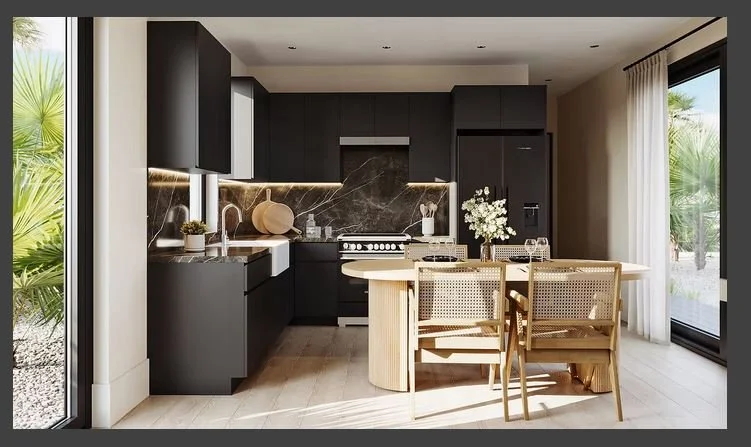
Umbra Kitchen.
Homeowners Looking To:
Generate passive rental income.
House aging parents or adult children.
Create a home office or creative studio.
Increase property value.
Provide long-term housing security for family members.
Builders and Developers Who Want To:
Increase project velocity and annual revenue.
Reduce weather-related delays and risks.
Offer clients predictable timelines.
Stand out in a competitive market.
Build more with the same crew size.
Property Investors Seeking To:
Maximize rental income per property.
Diversify their portfolio with ADU rentals.
Access Denver's strong rental market.
Create cash-flowing assets faster.
The Bottom Line: Your 2026 Starts Now
Denver's housing market isn't slowing down. Property values continue appreciating, rental demand remains robust, and the competition for quality housing intensifies every month.
Traditional construction methods can't keep pace with market demand, but MOMO can.
By choosing a modular solution that delivers quality faster, you're not just building an ADU. You're building financial opportunity, housing flexibility, and long-term value. You're building the way forward.
This is your sign to build in 2026.
The Denver market is ready. The technology is proven. The opportunity is now.
Build Fast. Build Better. Build MOMO.
Ready to explore how MOMO by LuxMod can work for your property or next project? Visit www.theaduwizard.com to learn more about bringing modern, efficient ADU construction to your Denver-area property. The future of building is here—and it's MOMO.